Ceiling leaks in apartments and condos: what water from above means for the building
In a multifamily building, a ceiling leak usually starts floors up: suite plumbing, a riser or an appliance. How buildings trace the source and who pays.

In a multifamily building, a ceiling leak almost never starts at the ceiling. The stain in unit 804 is the end of a chain that began floors up: a failed supply line, a riser inside a wall or an appliance letting go. The building's job is to find the source floor fast, because the water is still running while everyone stares at the drywall.
What a ceiling leak in an apartment building usually is
When a resident reports a ceiling leaking in their apartment, the source is usually one of four things, and the roof is last on the list.
Suite plumbing above comes first: supply lines under sinks, toilet connectors and tub and shower drains that seep into the floor assembly. Appliance failures run a close second: a dishwasher, a burst washing machine hose or a refrigerator line in the suite overhead. Third are the risers, the shared vertical pipes inside the walls that feed every floor. A pinhole in a riser can wet ceilings on several floors at once and belongs to the corporation, not to any suite. Eddy's 2026 State of Water Risk report found pipes caused 33.3% of confirmed multifamily leaks at an average of $111,600 in damage per leak, the highest of any source. Roof and envelope failures matter only for top-floor units, and even there, suite plumbing competes. Our briefing on where water damage starts in multifamily buildings covers the sources inside the building with Eddy's monitoring data.
The working rule for operators: a water leak from an upstairs apartment is the default explanation on floor 8 of a 20-story building. Treat every ceiling stain as an active plumbing event until proven otherwise, because it usually is one.
Why finding the source floor is slow without monitoring
An apartment ceiling leak is usually reported hours after the water started moving. Water travels before it drops: it runs along the slab, follows conduit and joists, slides down wall cavities and surfaces rooms away from the source. The suite directly above the stain is often dry, and the real source sits two floors up and one unit over.
Without monitoring, the search is manual. Staff knock on doors and wait for residents who are at work. Vacant and tenanted suites need notice or an emergency entry. Drywall gets opened on educated guesses. Meanwhile the apartment water damage compounds: insulation holds moisture, flooring swells and suites that had nothing to do with the leak join the claim. Most buildings do not have a detection problem so much as a response problem: Eddy's 2026 State of Water Risk report found 59% of 2,557 confirmed water events across all building types happened outside business hours (65% of leaks in multi-family buildings), when nobody who can act learns about the leak in time.
Who is responsible: the unit or the corporation
Responsibility follows the building's governing documents, not intuition. In most condo buildings the corporation's policy covers common elements and standard units, while each owner's policy covers contents and improvements. When water from one suite damages the units below, many bylaws let the corporation charge its deductible back to the source unit, and those deductibles now run six figures in many markets. In rentals, the landlord's and tenant's policies split along similar lines.
The pattern that hurts boards: the source resident is rarely negligent in any obvious way, the downstairs owners are angry and the deductible chargeback lands on someone's largest asset. Boards should read their declaration and insurance bylaws before the first event, not after it.
How monitored buildings shorten the chain
In a monitored building the chain runs in reverse: the building learns about the water before the ceiling does.
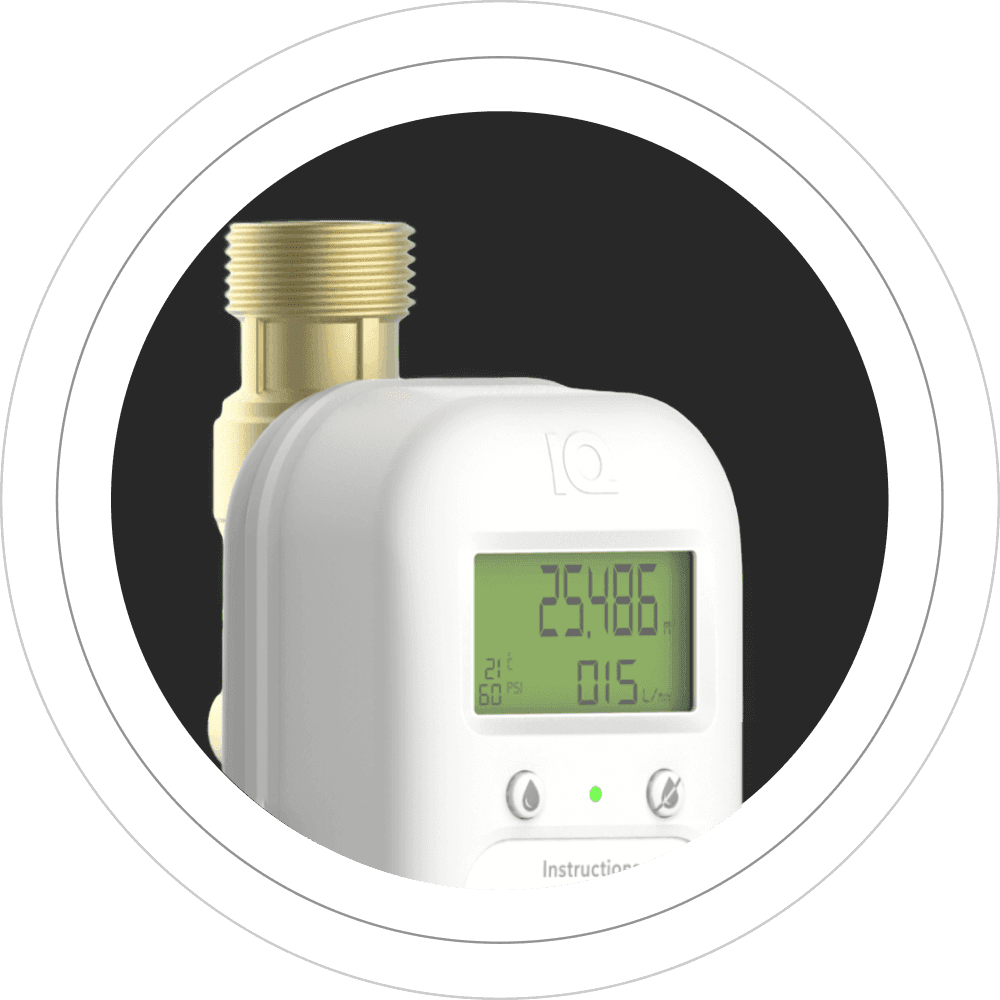
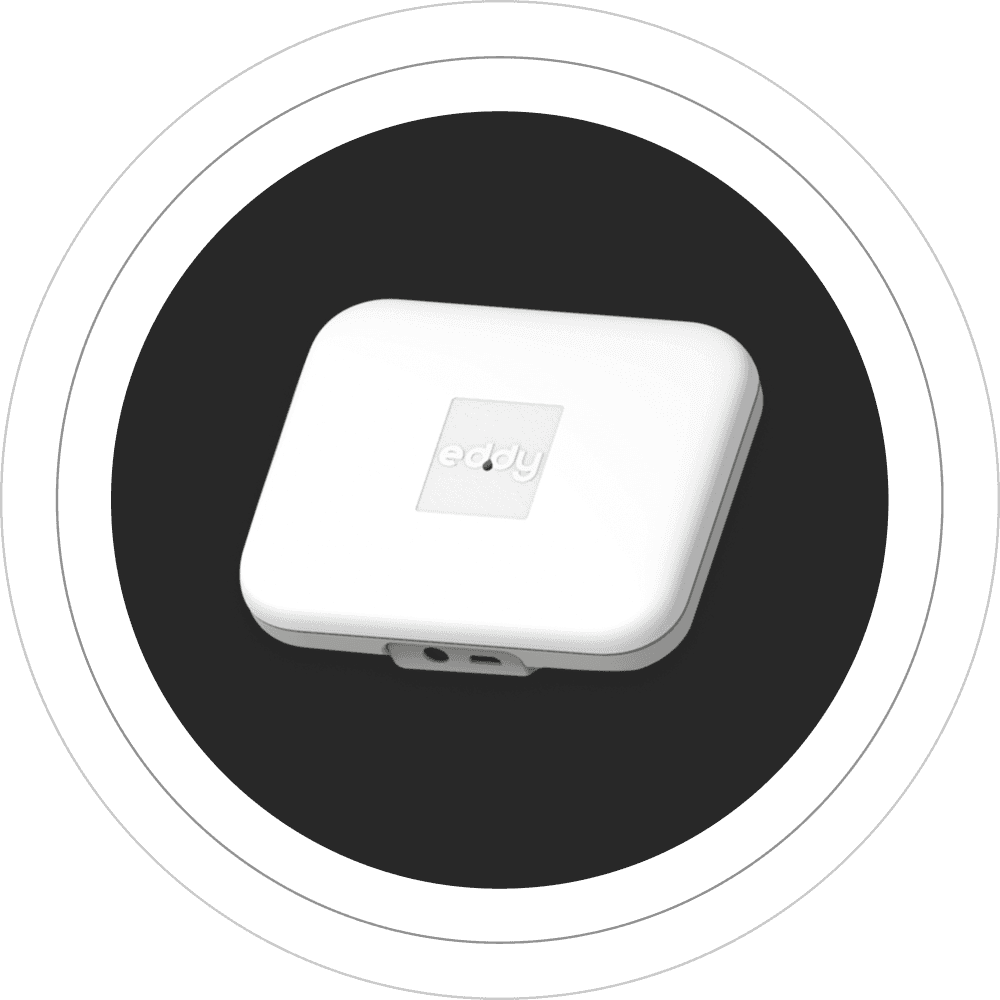
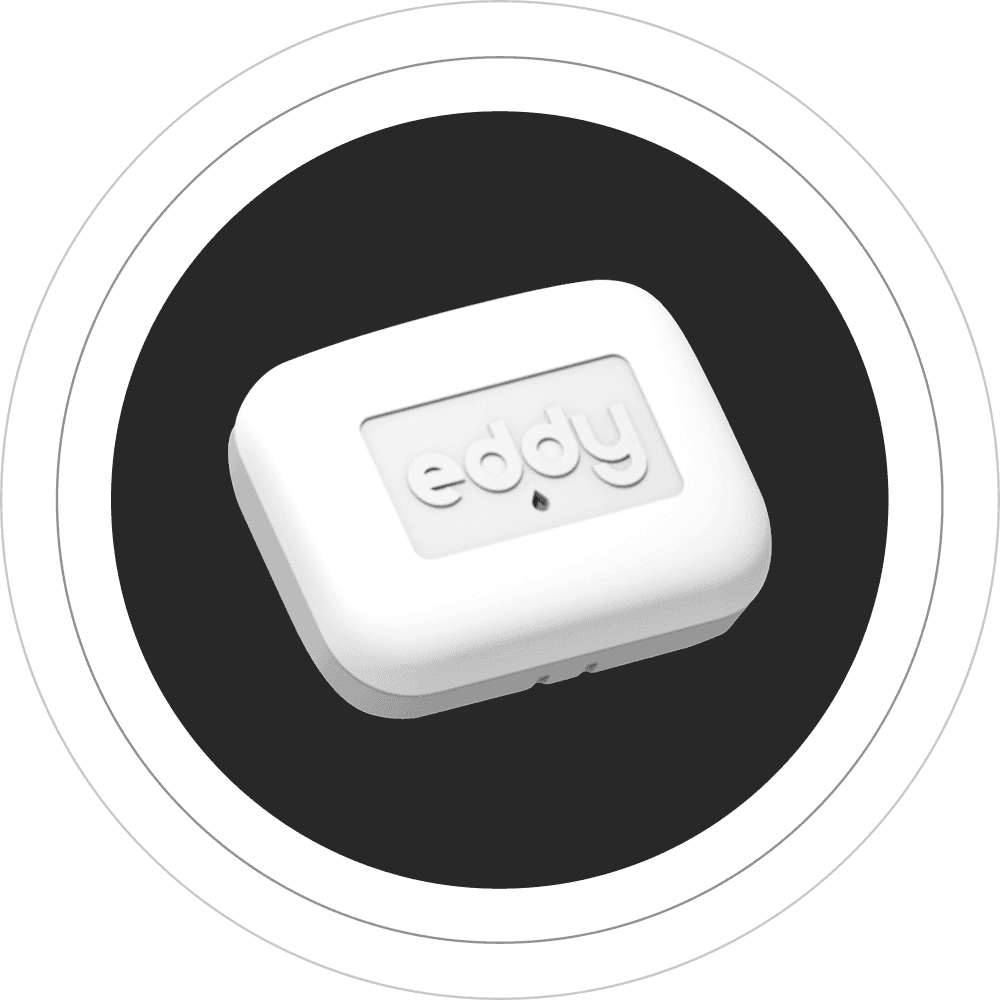
Per-suite metering makes the difference. When every suite has its own meter, an open line shows up as flow that should not be there, and staff go straight to the source floor instead of door-knocking down a stack. Eddy Link reads the meters and drives the shutoff valves, so abnormal flow triggers automatic shutoff. Eddy H2O wireless leak sensors under fixtures and appliances catch the water at the source, and the compact Eddy IQ combines sensing, metering and shutoff in one unit.
Every signal routes to the 24/7 monitoring center. Operators work from the building's system map and business rules, and they escalate and call your contacts within minutes, day or night. Eddy detects, pinpoints and stops leaks up to 100x faster than traditional methods, and the standard is 02:00 minutes from a leak alert to taking care of the problem. The Eddy Dashboard keeps the timestamped event trail your insurer will ask for.
What boards should put in place
Boards do not need to become plumbing experts to protect residents and protect the building. They need four things in place before the next ceiling stain.
- Coverage where leaks start: leak detection at appliances and fixtures in every suite, plus per-suite metering and automatic shutoff on the lines that matter.
- A current escalation list: the monitoring center calls your contacts, so the list must name people who answer at 2 a.m.
- A written response plan: who enters the suite, who calls restoration and who notifies affected owners.
- Documentation: a timestamped event history that supports the insurance conversation, where buildings monitored by Eddy can earn premium savings of up to 20%, with deductible reductions of up to 80% documented at individual properties.
Approval is usually easier than boards expect. The common questions (cost, installation in occupied suites and board sign-off) are covered in the FAQ, and the program for multifamily buildings shows how suites, risers and mechanical rooms get covered. Talk to a leak-detection advisor to scope your building.
Common questions
Why is my apartment ceiling leaking?
In a multifamily building, a ceiling leak usually means water is escaping somewhere above you: a supply line, a fixture, an appliance or a riser inside the wall. Roof leaks are only a likely cause on the top floor. Report it to building management immediately, because the source may be several floors up and the water may still be running.
Who is responsible when water leaks from the apartment above?
The building's insurance typically covers damage to common elements and standard units, while your own policy covers contents and improvements. Many buildings charge the deductible back to the unit where the leak started, so a water leak from an upstairs neighbor often becomes that owner's cost. The exact split depends on the declaration, the bylaws and local law.
How do buildings find the source of a ceiling leak faster?
Monitored buildings use per-suite water metering and leak sensors, so abnormal flow points to the source line instead of a floor-by-floor guess. Automatic shutoff stops the water while the 24/7 monitoring center escalates and calls the building's contacts within minutes. The search that used to take days ends in a direct trip to the right suite.
Last Updated
Category
Related articles
Browse all posts
Multi-family
Appliance leaks in multifamily buildings: one suite's dishwasher is three floors of damage
By Adam Bartman
Read article
Water management
HVAC water leaks: where they start in commercial buildings and why they cost so much
By Adam Bartman
Read article
Multi-family
Water protection for high-rise and multi-family buildings
By Adam Bartman
Read article