Pinpoint the leak. Stop the flood.
Pinpoint H2O sensors at the fixtures, continuous rope along the trays, automatic shutoff on the mains and a 24/7 monitoring center on every alarm in minutes. One program, from first pour to full load.
Trusted across the platform
Backed by an active monitoring program, not a marketing deck.
Active devices, prevented damage and claims-affecting coverage, audited every year against the loss runs.
Protect your facility with Eddy
Shut off water remotely
Meter, valve and Eddy Link on the domestic main. The main closes on anomaly, after-hours policy or operator command. Fire lines stay alert-only.
Pinpoint leaks in the white space
Continuous Eddy Rope covers every drip tray and pinpoint Eddy H2O sensors sit at the fixtures, so the alert names the exact run or fixture, not a floor to search.
Keep uptime and SLAs intact
Water above the racks is measured in downtime, not drywall. Detection in seconds and escalation in minutes, before a drip becomes an outage.
One program from build to operations
Coverage starts at the temporary supply and converts at each turnover. Same hardware, same network, same monitoring center.
Simple, powerful leak protection
Tier 01
Construction protection
Eddy IQ on the temporary supply, shutoff on the domestic main and wireless sensors in risk rooms while trades are in the building.
Tier 02
Facility protection
Meter, valve and controller on the domestic main, alert-only metering on the fire sprinkler line and sensors in mechanical and electrical rooms.
Tier 03
White space protection
Rope sensing in the drip trays along branches, expansion loops and headers, with pinpointed leak location.
69.6%
$145K
59%
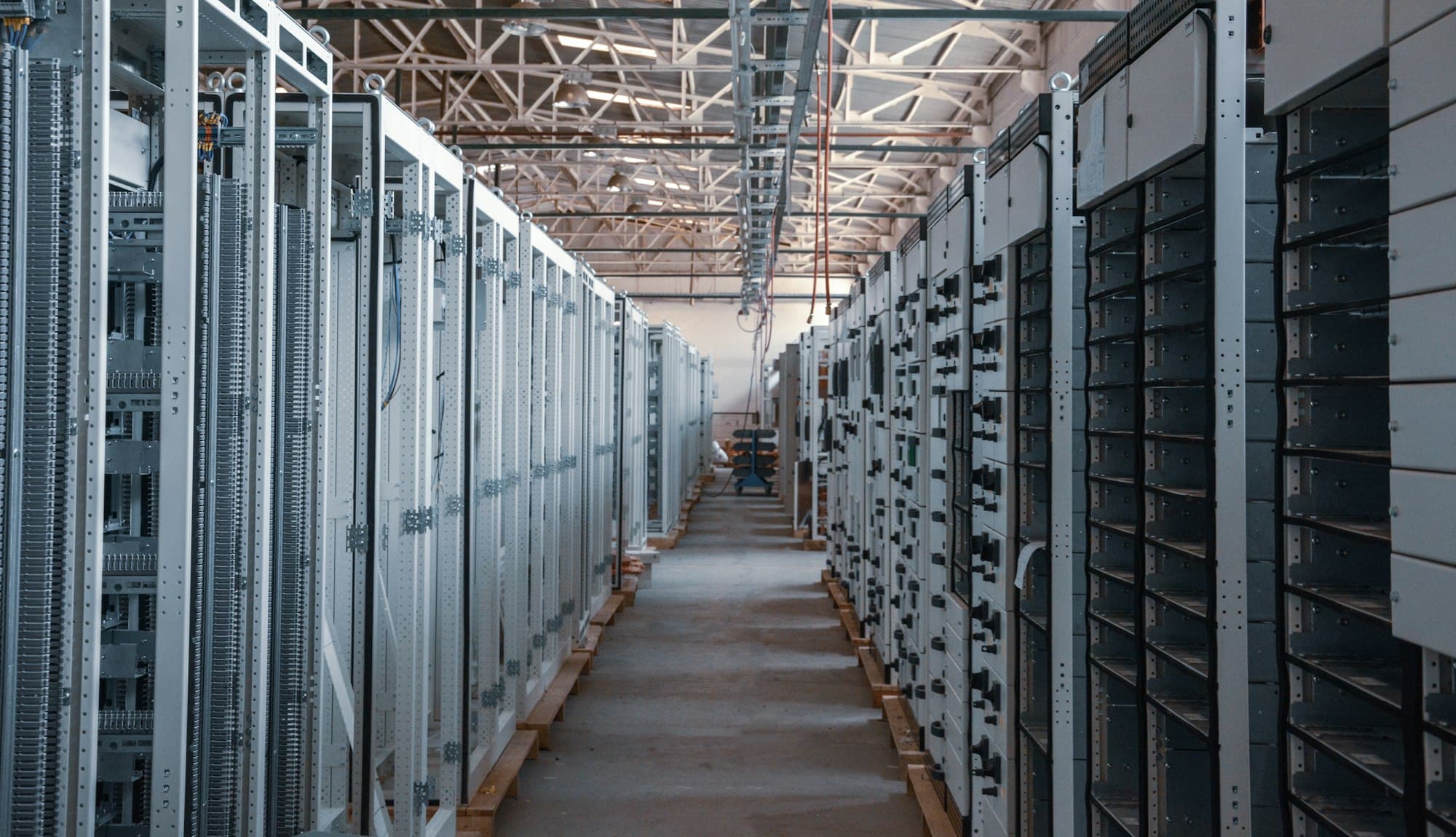
Chilled water runs inches above the load.
Cooling branches and expansion loops cross the white space in drip trays. Headers run hundreds of feet. CRAH units condense around the clock. The domestic main and the fire line add failure paths that have nothing to do with cooling.
Construction is the riskiest phase: job sites confirm leaks at 3 times the rate of operating buildings, and most events land after hours. Eddy operators escalate by phone within minutes, confirm the shutoff and stay on it until your team confirms response.
Every water system in the facility, one managed program.
Two kinds of detection cover the room: continuous rope along the trays, and pinpoint sensors at the fixtures. Both run on one network, with response rules per line and a monitoring center that never waits for the morning shift.
White space and cooling loops
Eddy Rope is the continuous run: every drip tray, branch, expansion loop and header, sectioned so the alert names the segment, to 10 ft on long headers. Glycol-verified, alarms on standing water, not condensation.
Domestic water main
Dedicated meter, automatic valve and Eddy Link at the point of entry. Closes on anomaly, on after-hours lockdown or on operator command.
Fire sprinkler line
A dedicated meter in alert-only mode. Movement raises an alarm in seconds. The system never isolates life safety.
Pinpoint sensors at the fixtures
Wireless Eddy H2O sensors pinpoint water at the exact point it shows up: CRAH condensate pans, mech and elec rooms, envelope penetrations. Each also reads temperature and humidity, on Eddy's own cellular network.
Writing the spec? Detection cable is mature and several vendors make it well. The spec that protects the hall scores every system on five rows:
- Coverage
- Every water system, not just the raised floor.
- Connectivity
- Own cellular network. BMS by relay or API.
- Commissioning
- Installed, baselined and owned by Eddy.
- Response
- Operators on the alarm in minutes.
- Proof
- A documented report after every event.
Built for the turnover schedule.
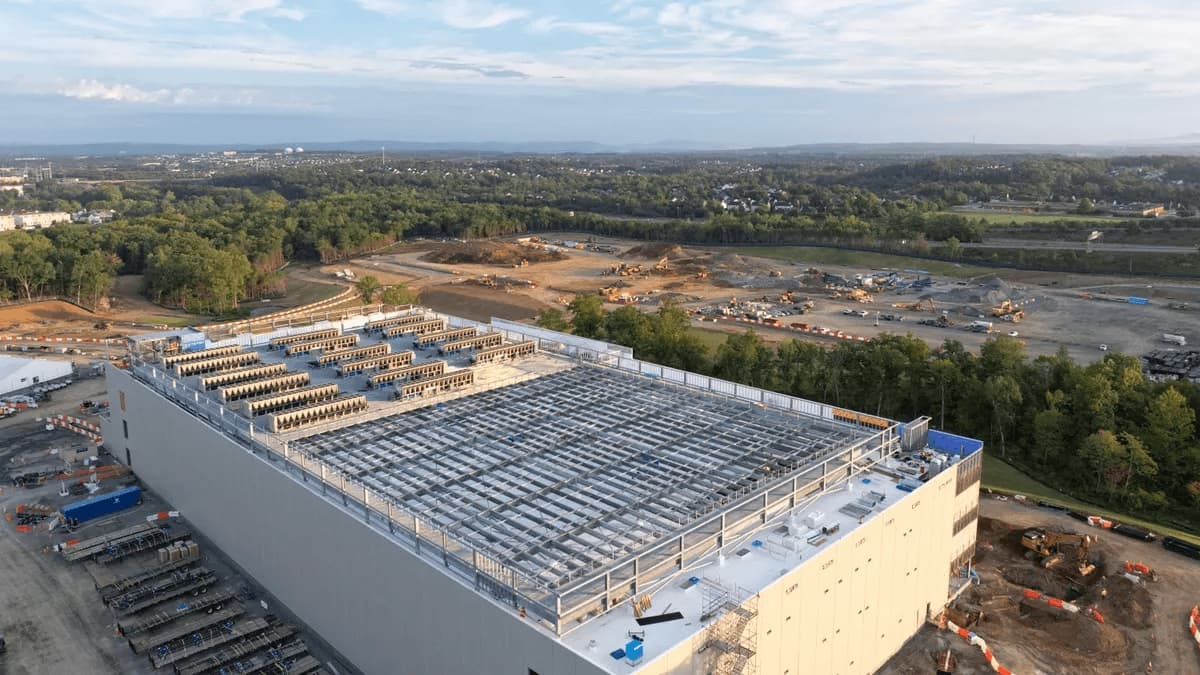
Data centers hand over in phases, not on one date. Eddy commissions with the build and converts each turnover package at substantial completion. Ownership inherits a running system with its baseline learned, not a punch-list item.
- 1Construction
- 2Phased turnover
- 3Operations
- 24/7 monitoring center with live escalation calls
- Configurable response policies per line
- Leak Incident Report after every confirmed event
- Unlimited dashboard and mobile app licenses
Build your system
Design your building's leak protection.
Two minutes of quick questions gets your building the right protection, previewed instantly.
- Sized to your asset class and budget
- Modular. Adjust anything before pricing
- An Eddy team member calls soon after you submit

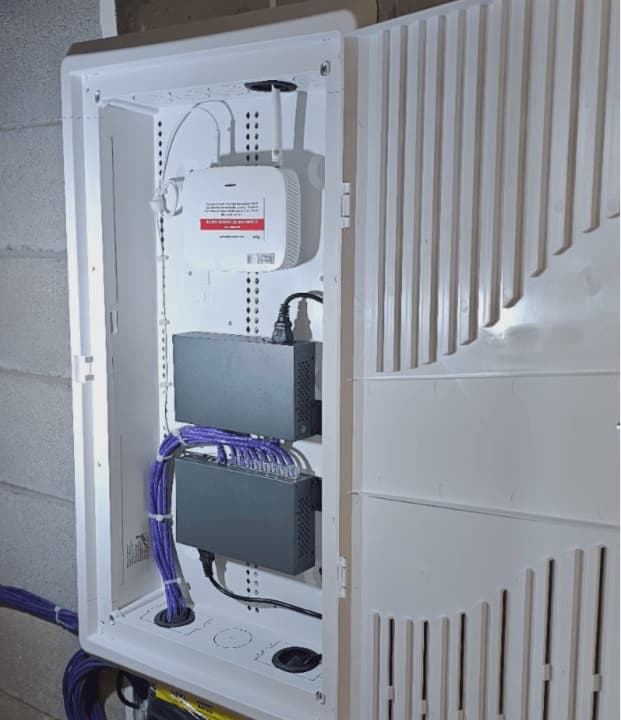
Sensors, meters and shutoff, backed by a 24/7 monitoring center.
What stage is the project at?
Pick one to start. We tune every question and the system around it.
 New constructionFrom breaking ground to substantial completion.
 Existing buildingInstalled in existing buildings with minimal disruption to residents and operations.
About two minutes.
Water Risk Intelligence
Compare your building to 2,557 monitored events.
Plug in your asset type, size and age. Get a risk score, the three drivers behind it and a brief you can hand to the board, the broker or the carrier.
Sample brief · your building
Elevated- 01Response time
- 02After-hours exposure
- 03Source concentration
The worst losses in the report tracked response gap, not alert volume.
Source: State of Water Risk ‘26 report. Bands shown are a sample. Run yours to see your own.
System features
Leak protection
Continuous rope, point sensors and shutoff valves
Real-time insights
Live flow and usage data across the facility
Smart metering
Dedicated meters on domestic, temporary and fire lines
24/7 live monitoring
Trained operators escalate by phone within minutes
Own network
Cellular LoRaWAN, no tie into facility IT or OT
BMS integration
Relay outputs and API surface events in your BMS
Quick installation
Commissioned in phases to match the build
Operator dashboard
Every device and event on one cloud platform
The platform
How the products work together
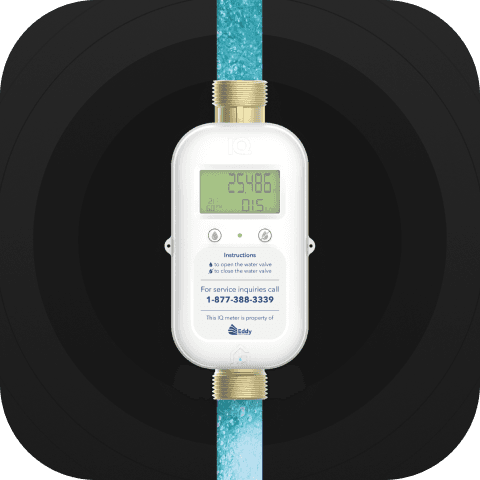
Eddy IQ
Smart meter and valve in one
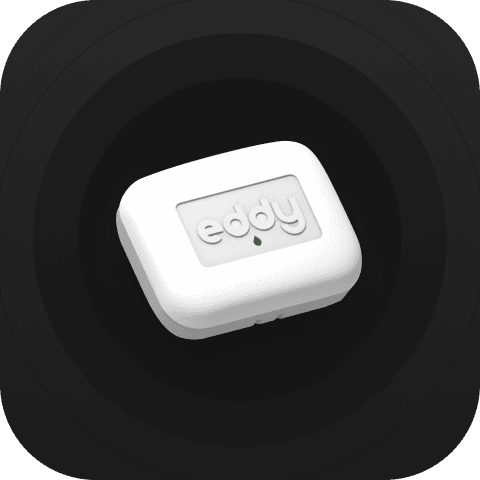
Eddy H2O
Smart leak detection sensor
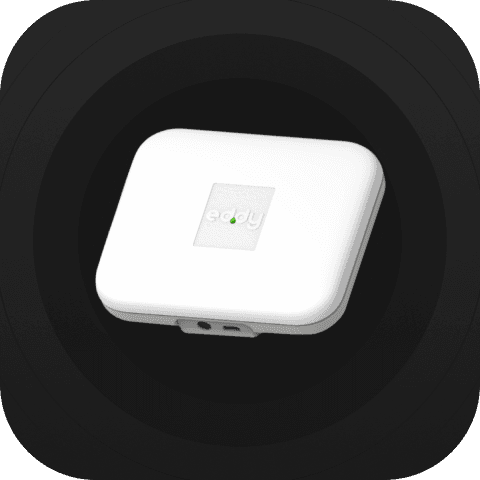
Eddy Link
Valve controller and meter reader
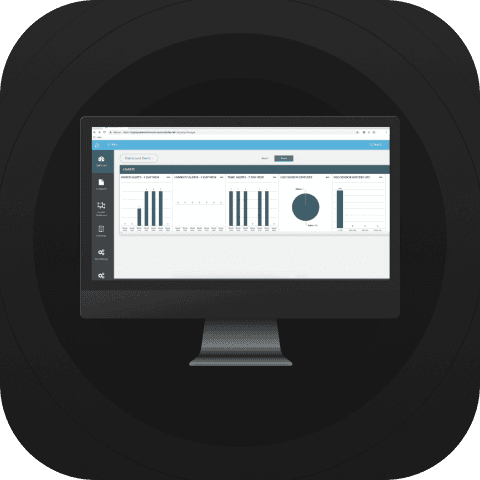
Eddy Dashboard
Management platform
Compare
How Eddy stacks up against the alternatives.
Detection method, response chain, network protocol and insurance reporting, side by side.
All comparisons