One leak is every floor's problem. Eddy stops it at the source.
A pipe leak in a commercial building averages $145,000 in damage, the costliest single source in the 2026 State of Water Risk Report. HVAC events average $127,000, and 56% of commercial leaks start after hours when the tower is empty. Eddy pairs office water leak detection with a 24/7 monitoring center that catches the event, isolates the zone and documents the response.


Trusted across the platform
Backed by an active monitoring program, not a marketing deck.
Active devices, prevented damage and claims-affecting coverage, audited every year against the loss runs.
Protect the tower with Eddy
After-hours monitoring when the tower is empty
Documentation that closes tenant conversations quickly
Flow metering on the mains and mechanical systems
Automatic shutoff at the main, zone or riser
Coverage built for office towers
Tier 01
Mechanical room
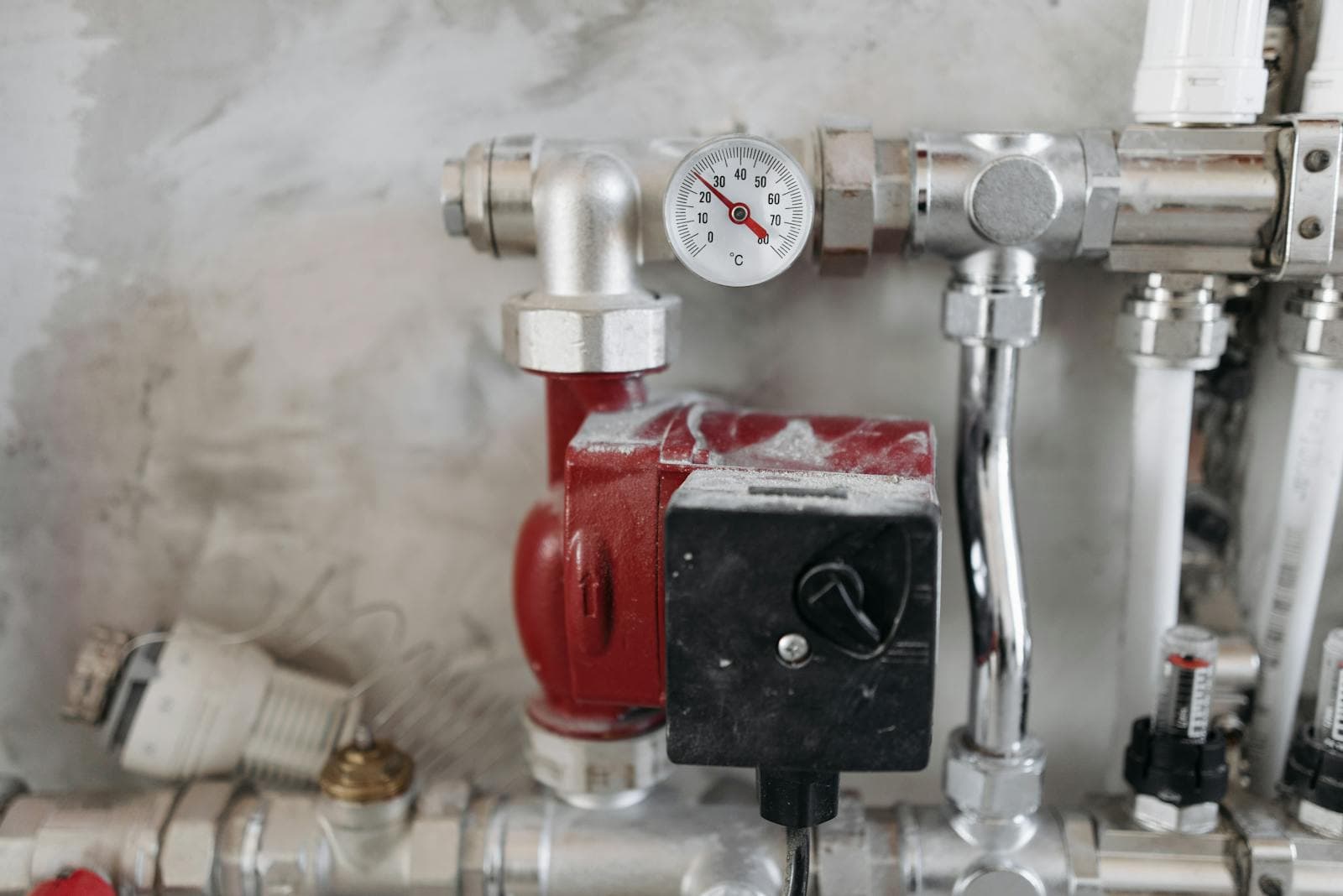
Boilers, chillers and make-up lines concentrate risk in one room. Sensors and flow monitoring with automatic shutoff.
Tier 02
Tenant floors
Kitchenettes, washrooms and fan coils above someone else's ceiling. Sensors at the fixtures with zone isolation.
Tier 03
Risers and cores
Concealed domestic and hydronic risers behind finished walls. Flow monitoring catches what inspection cannot see.
Tier 04
Roof and drainage
Flat roof ponding and drain failures above the top floor. Flow monitoring on roof drains with instant escalation.
Cascades become lease conversations
Water from a failed connection on an upper floor runs through every tenancy below it, and each affected tenant is a lease relationship with its own broker and counsel. Eddy's documented incident chain, detection timestamp, response log and outcome, gives the landlord the record that closes those conversations quickly.
- Leak Incident Reports document detection, response and outcome for every event
- A pipe leak in a commercial building averages $145,000, the report's costliest single source
- 56% of commercial leaks start after hours, when the tower is empty
- Aon's independent study found Eddy would have positively affected 58% of water-loss claims incurred

Coverage starts where you want it
Mechanical room, tenant floors or the risers, the program is modular, so coverage starts at the point you care about most and scales from there. The same network, dashboard and monitoring center carry a single tower or a portfolio, and coverage installed during a fit-out carries into operations without a second install.
- Start at the mechanical room, the tenant floors or the full stack, your call
- Modular sensor plan, tuned per building rather than a fixed kit
- One dashboard from a single tower to the portfolio
- Construction and fit-out coverage carries into operations
Build your system
Design your building's leak protection.
Two minutes of quick questions gets your building the right protection, previewed instantly.
- Sized to your asset class and budget
- Modular. Adjust anything before pricing
- An Eddy team member calls soon after you submit

Sensors, meters and shutoff, backed by a 24/7 monitoring center.
What stage is the project at?
Pick one to start. We tune every question and the system around it.
 New constructionFrom breaking ground to substantial completion.
 Existing buildingInstalled in existing buildings with minimal disruption to residents and operations.
About two minutes.
Water Risk Intelligence
Compare your building to 2,557 monitored events.
Plug in your asset type, size and age. Get the leaks to expect, the three sources behind them and a brief you can hand to the board, the broker or the carrier.
Sample brief · your building
Elevated- 01Response time
- 02After-hours exposure
- 03Source concentration
The worst losses in the report tracked response gap, not alert volume.
Source: State of Water Risk ‘26 report. Bands shown are a sample. Run yours to see your own.
System features
24/7 live monitoring
Operators call your contacts through the escalation protocol, within minutes of the alerts
Leak protection
Sensors and automatic shutoff at the main, zone and riser
LoRaWAN
Long-range wireless that works through concrete cores and mechanical floors
Smart metering
Flow data on mains and risers with anomaly detection
Documentation
Leak Incident Reports formatted for carriers and tenant counsel
API integration
Eddy interfaces with BMS and property management platforms
Portfolio ready
The same program scales from one tower to the full portfolio
Operator dashboard
Every building on one cloud platform
Coverage map
How Eddy works in your building.
Three layers, one solution. Turn the building to see where sensors, meters and valves sit, then run a leak through the system, from the first drop to the monitoring center's response.
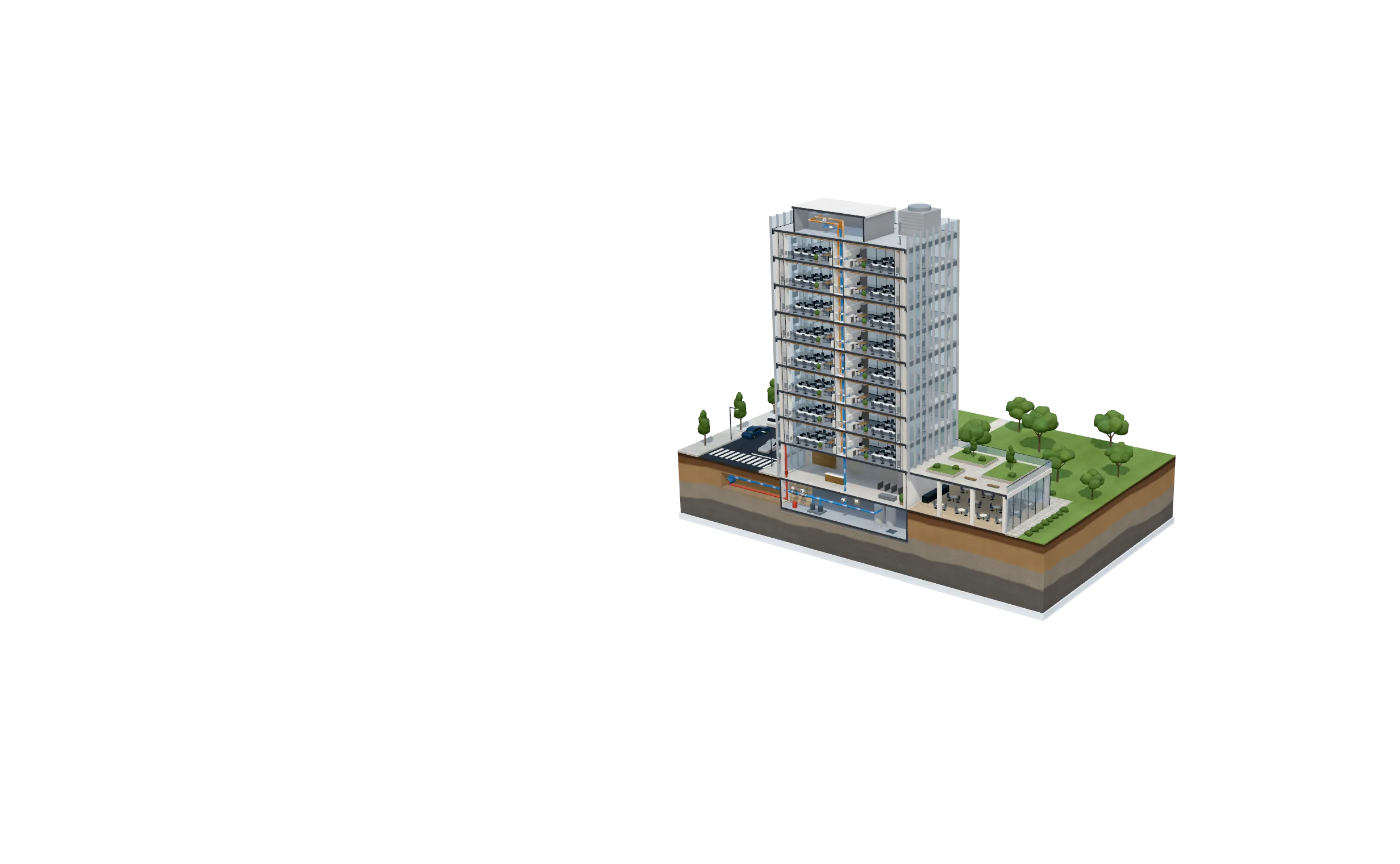
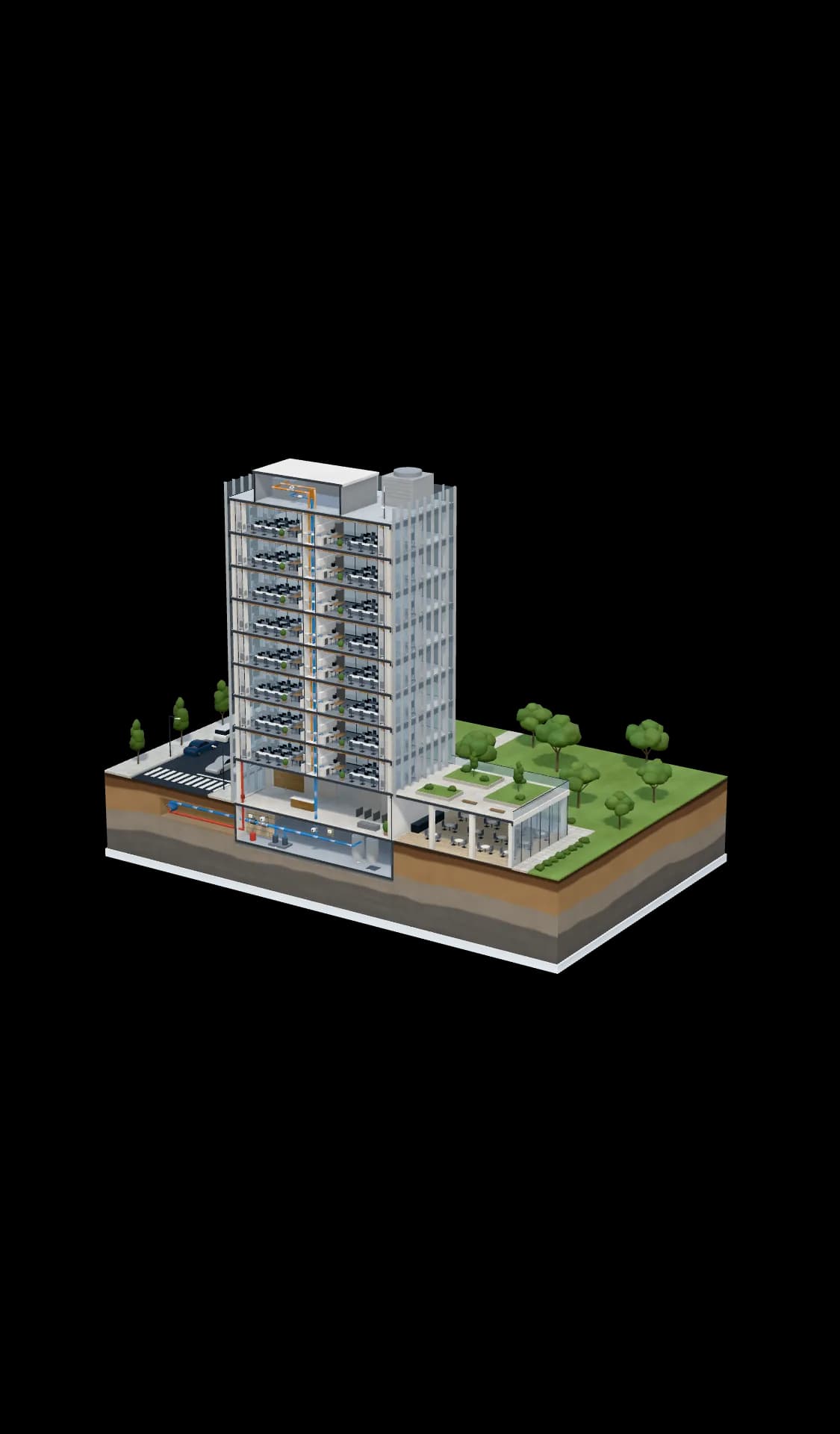
Occupied building · Business hours
Drag to turn the building. Select a label, or run a leak through the system.
The system
Detect, control and respond, in one managed program.
Sensors sit where leaks start and meters watch the flow. Valves close on the rules you set, and a 24/7 monitoring center follows each alert until your team has eyes on it.
3 layers and 14 close-ups in this building
Detect
Two ways to find a leak before it finds a unit.
Sensors sit where leaks start, and meters watch the flow for the leaks no sensor can reach.
6 close-ups · select one to zoom in
Point-of-leak
Flow-based
More about Detect
Eddy detects water through two layers running in parallel. Point-of-leak sensors sit where leaks happen: common areas and mechanical rooms (including elevator pits), inside suites at high-risk appliances, and behind walls at the risers that hide damage until cascade. Flow-based detection runs continuously at meters across the building, flagging continuous low flow, continuous use and extreme use against thresholds learned from your building's baseline.
- 3-in-1 sensors detect water, temperature and humidity
- Three flow thresholds, learned per building, not generic defaults
- Sensors are permitted near sprinkler infrastructure; valves are not
Where each device sits
- COMMON: Common & mechanical areas (incl. elevator pits) · Eddy H2O
- RISERS: In-wall domestic risers (concealed) · Eddy H2O
- HVAC + FAN COILS: Concealed HVAC sources · Eddy H2O
- SUITE METERING: Per-unit submetering + leak detection (LEED-eligible) · Eddy IQ
- BUILDING USAGE: Main consumption monitoring · Eddy Link
- H&C MAKE-UP: Closed-loop heating/cooling · Eddy IQ
Control
Valves that close the water before it closes the unit.
Valves close on the rules you set, automatically on a threshold or remotely from the dashboard.
4 close-ups · select one to zoom in
More about Control
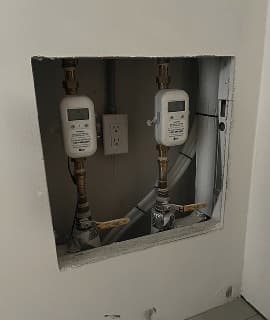
Detection without action is just an alert. Every sensor or meter event can trigger a valve, automatically on threshold or remotely from the dashboard. Eddy IQ is the all-in-one meter and valve for ¾"–1" lines. Eddy Link drives shutoff valves up to 18" for everything larger, provisioned and configured by Eddy.
- Eddy IQ at ¾"–1": combined meter + valve in one unit
- Eddy Link + motorized valves at mains, zones, risers, hydronics (up to 18")
- Fire mains and sprinkler systems excluded by design for life safety
Where each device sits
Respond
A live monitoring center that closes the loop.
Alerts go through Eddy's cloud to a 24/7 monitoring center, and an operator calls your team until someone has eyes on the water.
4 close-ups · select one to zoom in
What happens in a leak, step by step
- After hours, a supply line to a break room lets go on a tenant floor.
- The floor's Eddy IQ sees the flow jump past its learned baseline and raises the alert over LoRaWAN.
- The building's gateway relays it. Building operations and the 24/7 monitoring center are alerted at the same time.
- The after-hours rule closes the floor's Eddy IQ valve. The water stops at the source.
- An operator confirms the alert and calls building operations through the escalation protocol.
Shutoff rules are set per building and per time of day. Some buildings run alert-only during working hours.
More about Respond
Eddy's 24/7 monitoring center confirms every alert, escalates per your contact list and stays on the line until the water is off and the on-site team has eyes on it.
- Configurable automation rules per zone and time of day
- Trained operators on duty 24/7
- Escalation: automation → property manager → emergency contact, on your list
- Submetering and consumption data for billing, conservation and ESG reporting
Behind each close-up
- AUTOMATION: Configurable rules per zone & time-of-day · Eddy Dashboard
- LIVE OPERATORS: Trained humans, every event · Monitoring center
- ESCALATION: Per-contact-list escalation · Your team
- SUBMETERING: Per-unit billing & conservation reporting · Eddy IQ
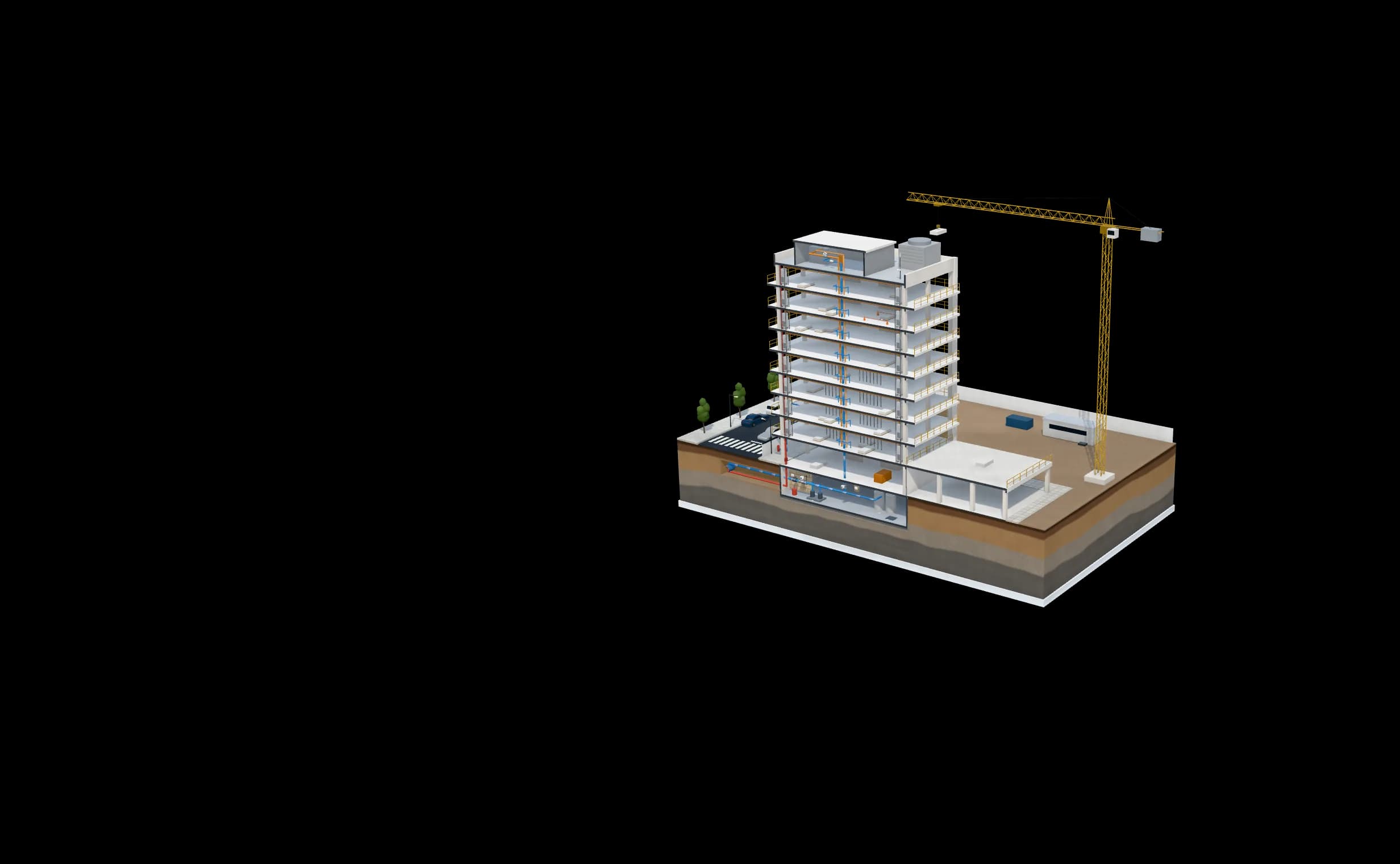
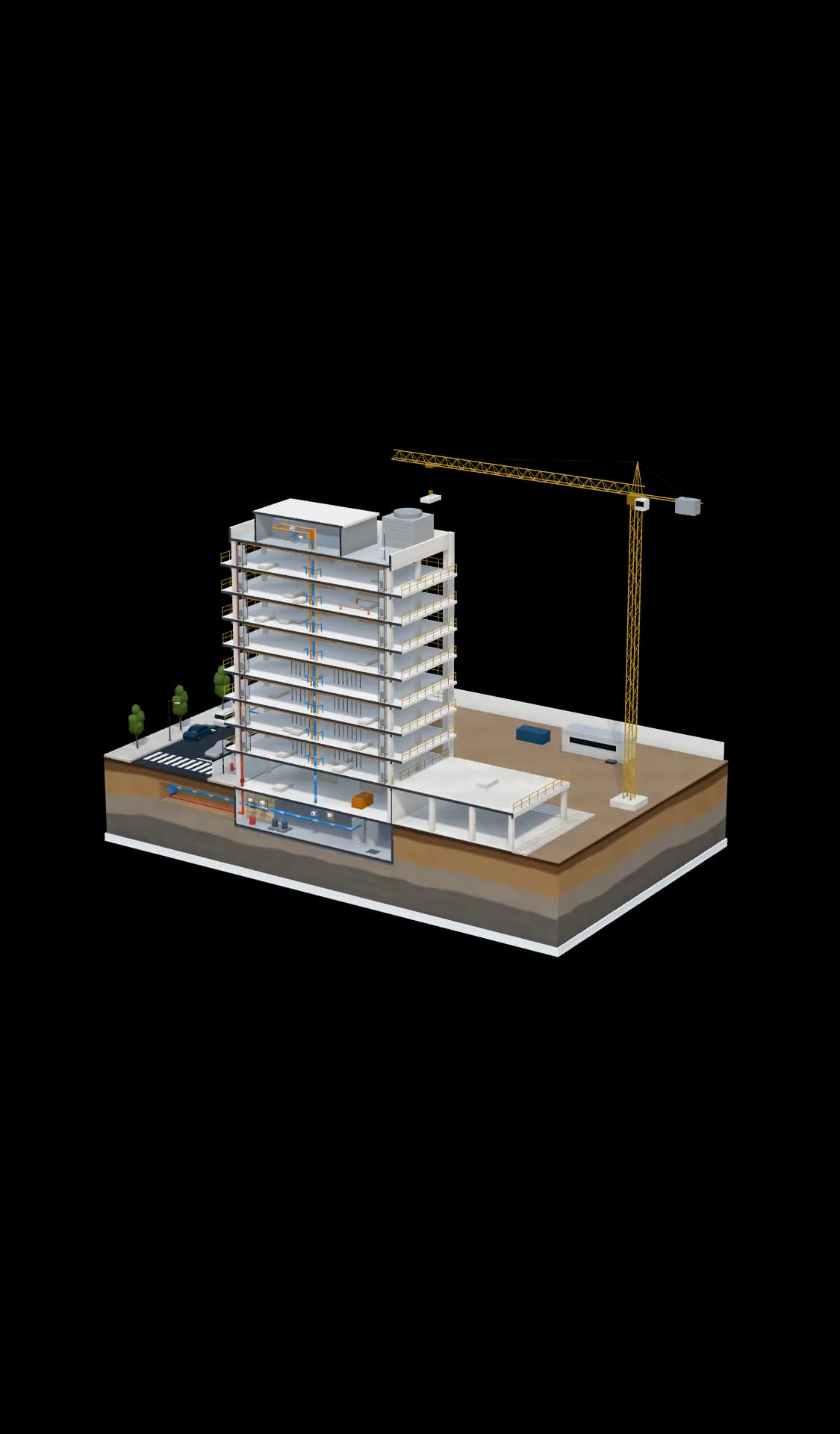
The system
Eddy goes in while the building goes up.
Sensors cover risers, HVAC sources and active work zones before the walls close. Meters watch the domestic main and site water, and the monitoring center is on the line from day one.
3 layers and 15 close-ups in this building
Detect
Build the detection layer into the building itself.
Sensors go in before the walls close, and meters watch the main and the site water from day one.
9 close-ups · select one to zoom in
Point-of-leak
Flow-based
More about Detect
The best time to place a sensor behind a wall is before the wall closes. Eddy goes in during construction to install the same operational-grade detection your building will run on for the next decade: sensors at common areas and mechanical rooms, concealed sensors at risers and HVAC sources you'll never be able to retrofit this easily again, plus construction-specific coverage at active high-risk zones, ambient climate monitoring during temperature and humidity swings, and optional fire main flow monitoring for unintended sprinkler discharge.
- Same 3-bucket sensor placement as operational buildings (common · in-suite · concealed)
- Riser and HVAC sensors placed pre-drywall, no later retrofit needed
- Construction-only overlays: high-risk zone sensors, climate anomalies, fire main flow monitoring
Where each device sits
- COMMON & MECHANICAL: Mech rooms, lobbies, elevator pits · Eddy H2O
- RISERS: Placed before walls close · Eddy H2O
- HVAC + FAN COILS: Concealed HVAC sources · Eddy H2O
- HIGH-RISK ZONES: Construction-active areas (Advanced tier +) · Eddy H2O
- CLIMATE: Humidity & temperature anomalies · Eddy H2O
- DOMESTIC MAIN: Building usage from Day 1 · Eddy Link
- SITE WATER: Temporary construction water (Eddy IQ) · Eddy IQ
- H&C MAKE-UP: Closed-loop heating/cooling · Eddy IQ
- FIRE MAIN FLOW: Unintended sprinkler discharge detection (meter only, no valve) · Eddy Link
Control
Stop the cascade before the crew gets the call.
Valves close on the lines most likely to fail, and schedule mode shuts the main when the crew leaves.
5 close-ups · select one to zoom in
More about Control
Automatic shutoff on the lines most likely to fail during construction: domestic main, temporary water supply, hydronic make-up. Schedule mode closes the valve when the trades leave and opens it when work resumes. A daily after-hours guardrail aimed at the 2 AM peak when most leaks happen and the site is empty.
- Eddy Link + motorized valve on the domestic main (sized to pipe)
- Eddy IQ on ¾"–1" lines (temp construction water and H&C make-up)
- Domestic zone valves added at the Unlimited tier
- Fire mains excluded by design (monitoring permitted, see DETECT pillar)
Where each device sits
Respond
Day 1 of the project, Day 1 of the service.
The monitoring center is on the line from the first valve install and stays on through occupancy.
3 close-ups · select one to zoom in
What happens in a leak, step by step
- A fitting lets go on a charged riser, several floors up.
- Eddy H2O on the slab detects water, and the meter on the domestic main sees the flow jump.
- The alert reaches the site team and the 24/7 monitoring center at the same time.
- The domestic main closes on the project's shutoff rule.
- An operator coordinates live with the superintendent until the crew has eyes on it.
Shutoff rules are set per project, per zone and per time of day.
More about Respond
Eddy's monitoring center is on the line from the first valve install. Every alert is confirmed by a trained operator and coordinated live with the superintendent, not left on voicemail. When the building reaches occupancy, the service continues with the same team. No handoff to figure out, no system to redeploy.
- Operators coordinate live with on-site superintendent
- Same monitoring center carries through to occupancy
Behind each close-up
- AUTOMATION: Per-zone, per-time-of-day rules · Eddy Dashboard
- LIVE OPERATORS: Trained humans on every event · Monitoring center
- HANDOFF TO OCCUPANCY: Service continues, no rebuild · Monitoring center
The platform
How the products work together
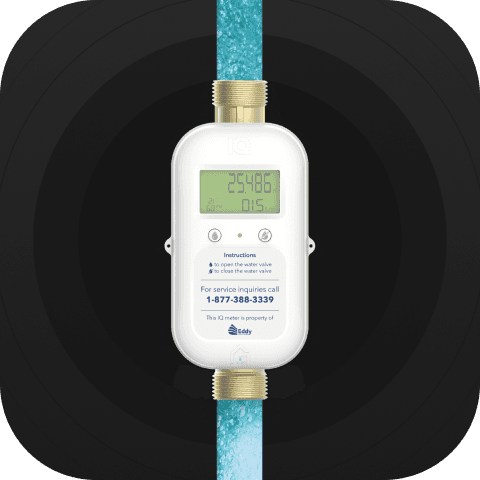
Eddy IQ
Smart meter and valve in one
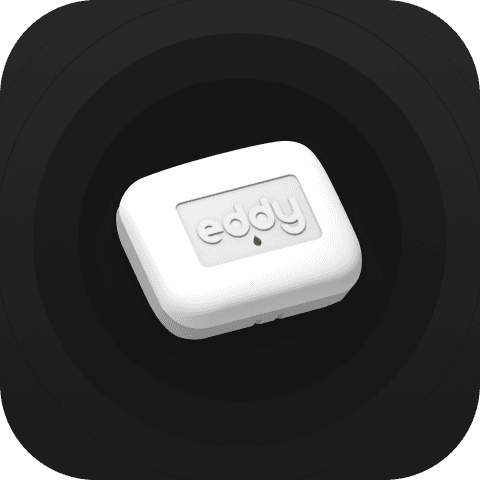
Eddy H2O
Smart leak detection sensor
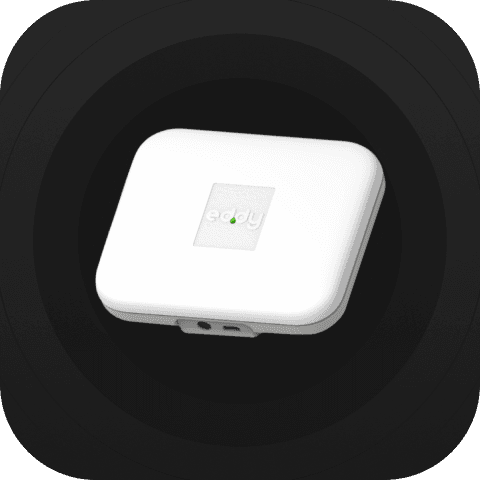
Eddy Link
Valve controller and meter reader
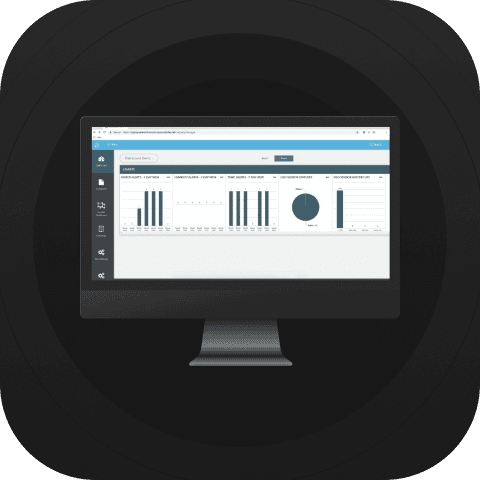
Eddy Dashboard
Management platform
Compare
How Eddy stacks up against the alternatives.
Detection method, response chain, network protocol and insurance reporting, side by side.
All comparisons