Water saved is carbon avoided.
Energy efficiency dominates real estate sustainability reporting. Water doesn't, yet. Every leaked gallon carries carbon cost, from treatment and pumping to heating and the remediation that begins when damage hits drywall. Eddy delivers the conservation data, carbon metrics and loss-prevention outcomes your portfolio reports need.
What the program conserved last year.
Drawn from Eddy's 2026 State of Water Risk Report, audited against the monitoring center loss runs.
- Gallons of water conserved
- 565M
- Water utility cost avoided
- $2.26M
- Tonnes CO2 avoided
- 33–41K
- Property damage prevented
- $98M
- Assets under protection
- $40B+
About 2.1 million cubic meters across the monitored portfolio.
Blended municipal rates across portfolio geography.
Treatment, delivery and heating energy combined.
Confirmed events isolated before they became claims.
Multi-family, commercial, hospitality, institutional and construction.
Source: Eddy 2026 State of Water Risk Report. Carbon methodology: EPA and River Network.
Every leak is a carbon event.
Water is energy-intensive before it reaches a building. It is extracted, treated, pumped and often heated. When it escapes through a leak, all of that energy is wasted.
When the damage triggers remediation, the carbon cost compounds. Saturated drywall, insulation and flooring get demolished, sent to landfill and replaced with newly manufactured materials.
Treatment and delivery: pumping, conveyance, distribution and wastewater
Heating energy: hot water systems, boilers and HVAC loops across the building
Embodied carbon: replacement materials, hauling and demolition equipment
Landfill waste: drywall, insulation and finishes diverted to construction-and-demolition streams
Where the carbon savings come from.
EPA and River Network methodology, applied to 2025 portfolio data.
Water conserved
About 565M gallons (2.1M m³). Detected by sensors and continuous flow anomaly alerts before water became damage.
Treatment and delivery carbon
About 22,000 tonnes CO2 avoided. Uses the EPA and River Network full-cycle estimate of roughly 10.6 kg CO2 per cubic meter for treatment, distribution and wastewater.
Heating energy carbon
11,400–19,000 tonnes CO2 avoided. Heating one cubic meter of water by 40°C takes about 46 kWh. Applied to the 30–50% of leaked water already heated.
Total water-related carbon
33,000–41,000 tonnes CO2 avoided. Equivalent to taking 7,200–8,900 passenger vehicles off the road for a year (EPA equivalency). Remediation and landfill carbon are significant but not yet quantified at portfolio scale.
Reporting you can use.
Built for the disclosures and certifications your portfolio actually reports against.
Conservation data
Gallons saved, consumption trends and benchmarks formatted for annual sustainability disclosures.
LEED credits
Smart sub-metering supports LEED Water Efficiency credits on new developments under LEED v4.1 BD+C.
One program, two reports
The same monitored event closes with insurance documentation and sustainability documentation. One system, two audiences.
From building to portfolio to ESG report.
Building-level data feeds the portfolio dashboard. Portfolio-level summaries feed quarterly business reviews. Annual rollups feed the ESG report.
The same monitored event that closes with carrier-ready insurance documentation also closes with carrier-ready sustainability documentation. One system, two reports, two audiences.
Bring water-conservation evidence into the next ESG cycle.
Walk through your sustainability program with the Eddy team and get a recommendation tailored to your reporting framework.
- Water-volume tracking
- Carbon-avoidance methodology
- ESG-ready Leak Incident Reports
Every prevented incident is a rebuild that didn't happen.
Carbon avoided through prevented water damage shows up in claims data, not glossy reports.
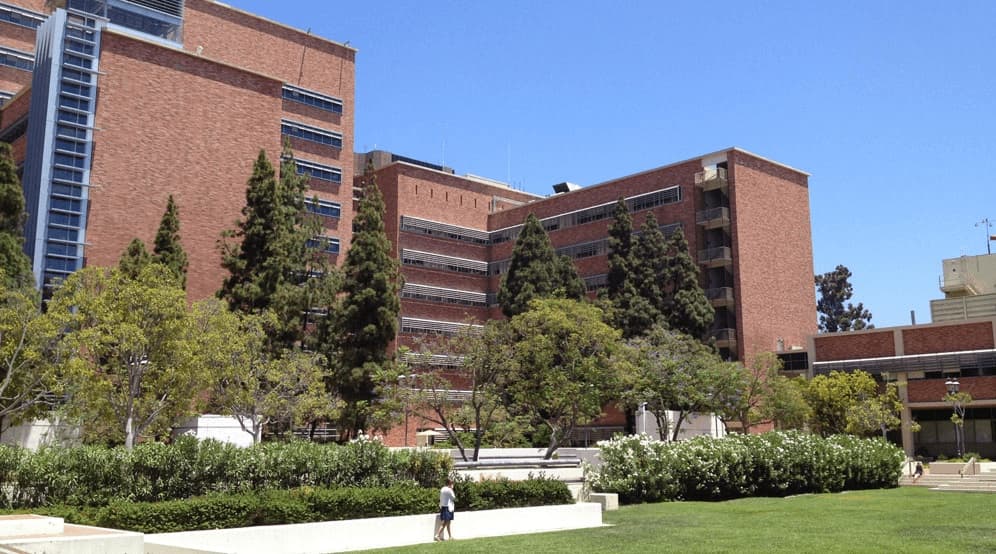 InstitutionalThree campuses · construction through operationsUCLA
From construction phase into permanent operations.
0Major incidents across deploymentEddy deployed during construction at Luskin Conference Center, Weyburn Housing and the CHS Medical Facility, then continued through operations. Roof-drain monitoring at CHS helped UCLA defer a major roof replacement until funding was available.
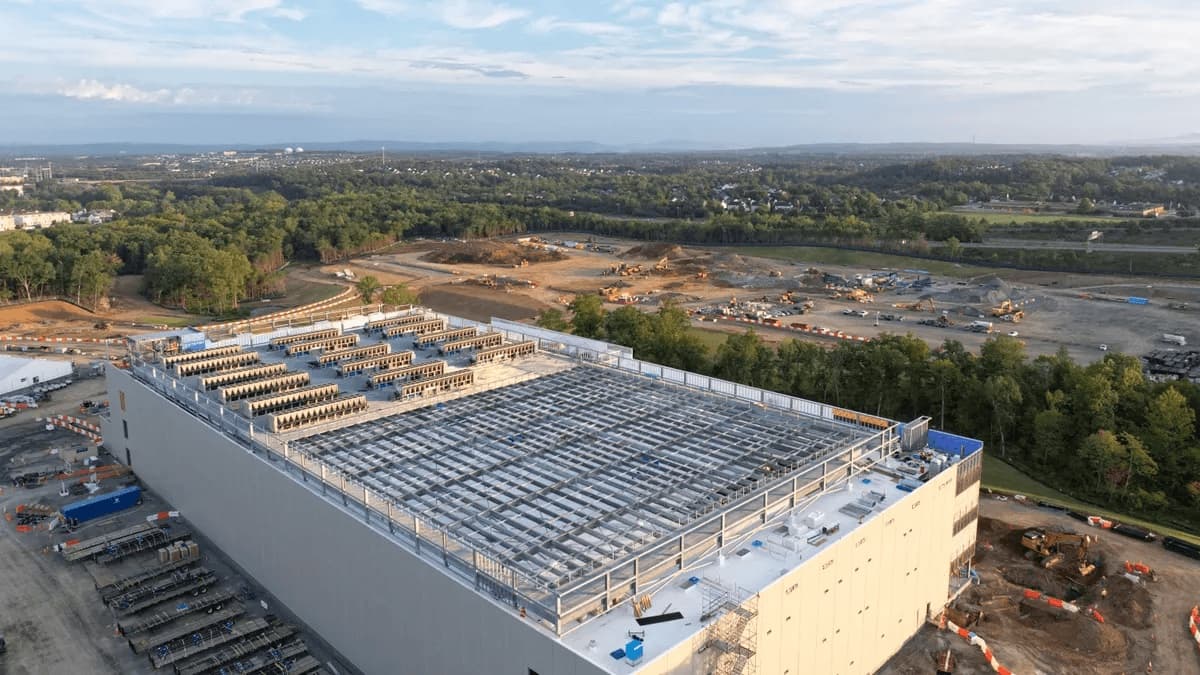 Course of construction11 active projects · Canada and USPCL Construction
$8.3M in damage prevented in one year.
$8.3MDamage prevented · 11 projectsForty-seven anomalies investigated and thirty-nine confirmed leaks contained on PCL's monitored network. Eddy is now budgeted from the proposal stage on every PCL project.
 Multi-familyVancouver · 11 storeys, 119 unitsMulti-family condominium
Deductible cut from $250K to $50K in under one year.
−80%Insurance deductible reductionFirstService Residential retrofitted Eddy across HVAC, risers, fixtures and common areas. Four leak events mitigated annually with $11K in estimated annual savings.
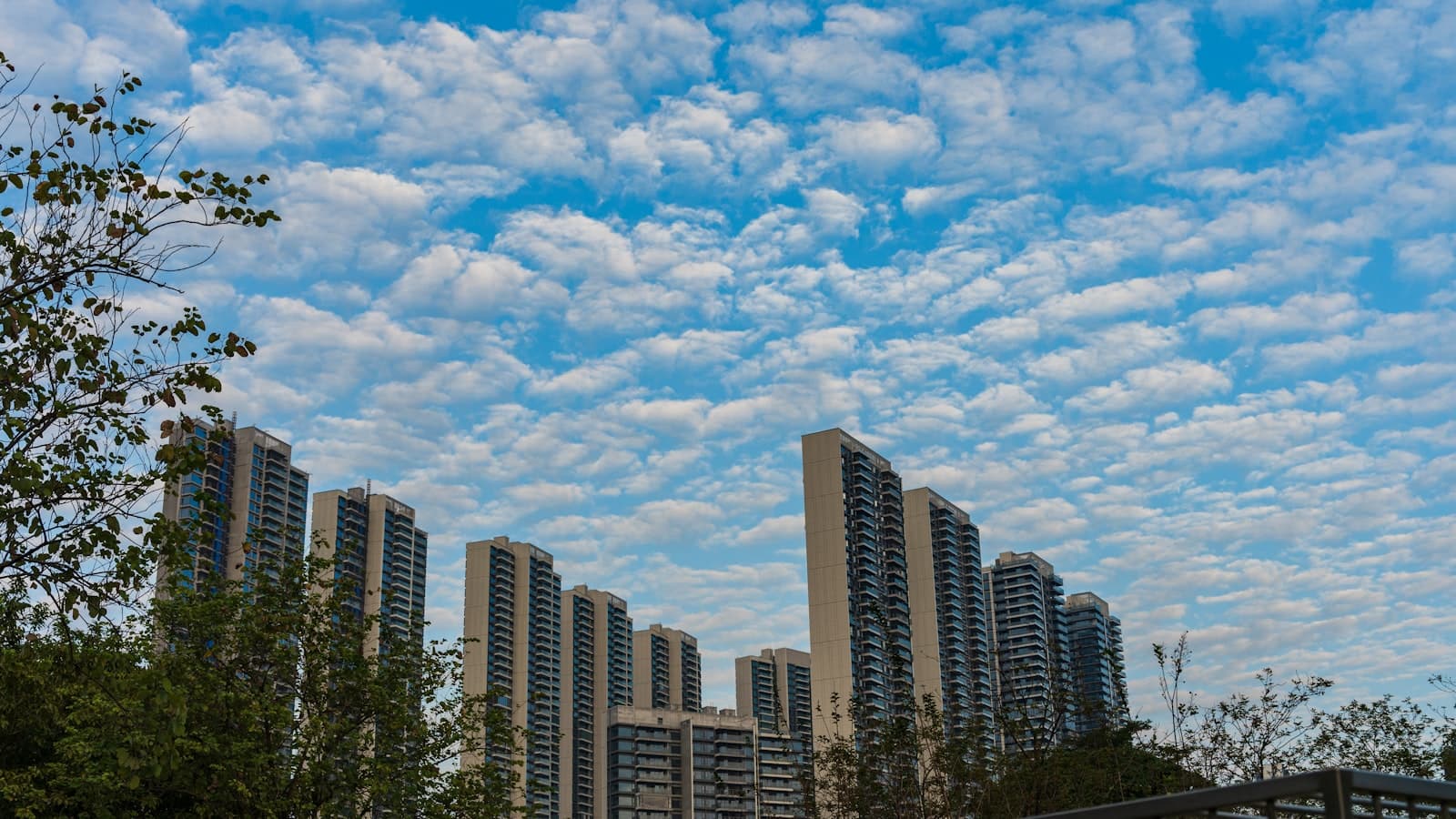 Multi-familyVancouver · 4 buildings, 121 unitsMulti-family condominium community
25% premium reduction with no change to deductible.
−25%Insurance premium reductionComprehensive retrofit across HVAC, risers, sinks, toilets and common areas. Fourteen events mitigated annually with $41K in estimated operational savings.
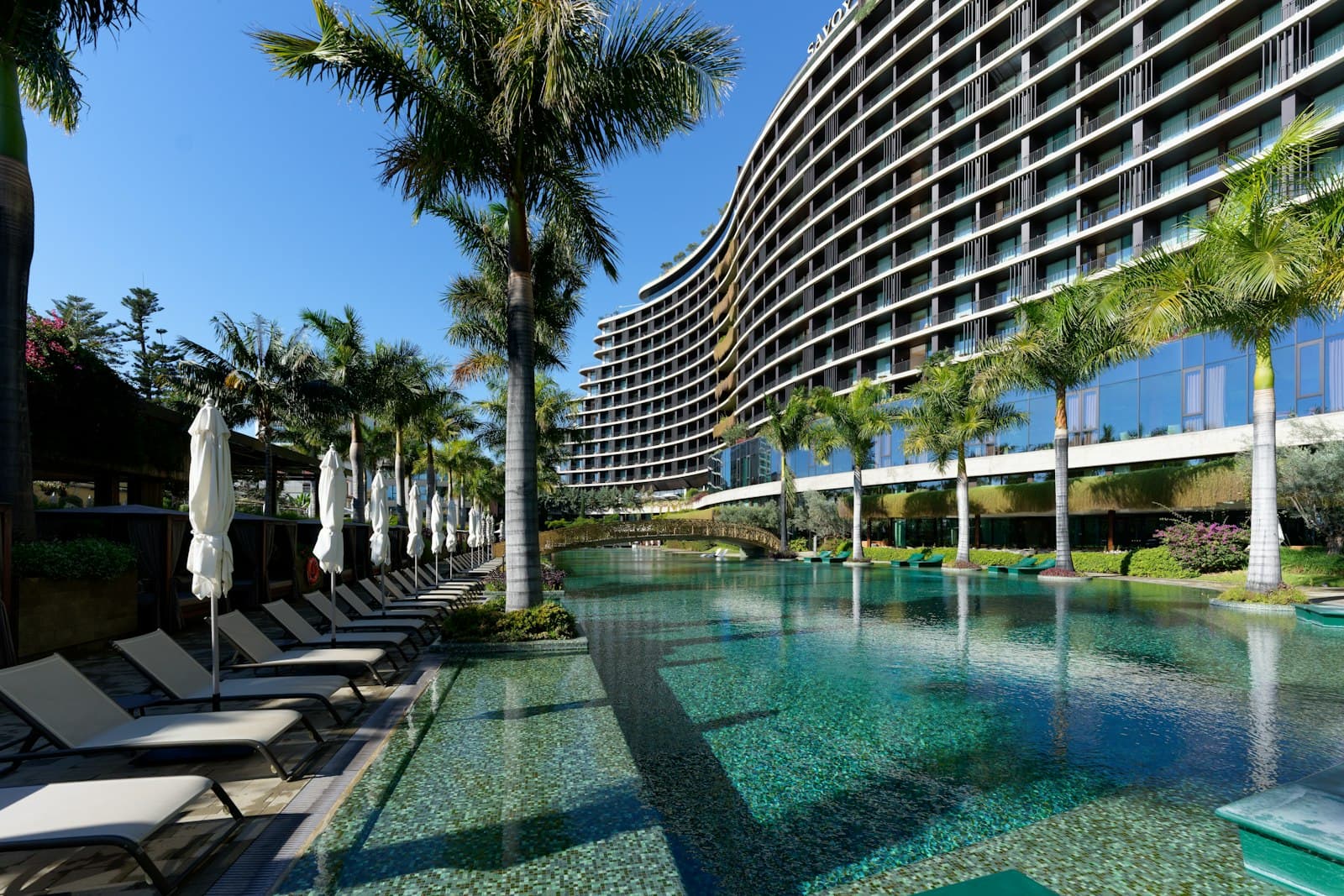 HospitalityTwo residential towersFour Seasons Residences
Fifteen leaks resolved with zero suite displacements.
$450K+Estimated water damage preventedBoth Four Seasons Residences towers ran fifteen confirmed leak incidents through the Eddy monitoring program with two-to-seven minute response times. Zero major incidents, zero suite displacements.
 CommercialClass A office portfolioClass A office operator
After-hours response without closing floors to tenants.
24/7Supported response, every hourTenant-aware shutoff sequences let a single riser go down without closing floors. Operations gets the alert before the tenant does.