Detection alone is not loss prevention.
Eddy is a managed program, not a hardware catalog. Sensors, smart meters and shutoff valves on one network, backed by a 24/7 monitoring center.
How Eddy holds up on real projects
A site superintendent on the record.
Twenty-five years building towers. On one Winnipeg high-rise, the team kept every piece of drywall dry. The site lead walks through what changed after Eddy went on the building.
The monitoring center is the difference
Detection without reliable verification, isolation and resolution is just an alert to a phone. Most water systems alert and stop there. Eddy's monitoring center confirms the event, coordinates the automatic shutoff per the building runbook and stays with Eddy until the property team confirms response.
Across the 200+ properties analyzed in the State of Water Risk '26 report, Eddy operators confirmed 2,557 water events and prevented an estimated $98M (US) in damage. 59% of events occurred after business hours, the worst window for unmonitored response. The strongest predictor of loss severity is time to documented action, not raw alert volume.
Monitoring center, staffed 24 hours a day, 365 days a year
Operators trained specifically on water-event response
Configurable business rules per project, per zone, per time of day
Live escalation across site, ops and ownership
Eddy's system would have positively affected, to some notable extent, 58% of the total water loss claims incurred.
Eddy vs the rest
Most leak detection systems stop at the alert.
Hardware is table stakes. What matters at 2 AM during a leak is the response chain, the sensor coverage and the insurance-grade reporting. That is where Eddy compounds.
24/7 monitoring center
Eddy
Live operators support, confirm and escalate every alert, working from your building's system map and the project's business rules.
Typical leak detection system
Most send app and phone notifications and stop there. A few add monitoring, usually a generic alarm central station that also handles fire and security.
Why it matters: A 2 AM notification means nothing without action. Eddy puts a water-domain operator on the line minutes after the alert, not a generic alarm desk.
Sensor ecosystem
Eddy
Humidity, temperature and water-presence sensors plus rope and probe attachments for specialized detection.
Typical leak detection system
Typically flow-meter-led; point-of-leak sensors require third-party kit.
Why it matters: Flow alone creates noise without locating the incident. Point-of-leak sensors pinpoint where the water is.
Network protocol
Eddy
LoRaWAN, long-range wireless built for concrete and steel.
Typical leak detection system
Wi-Fi or cellular for device communication.
Why it matters: Wi-Fi and cellular drop in mechanical rooms and high-rise concrete cores.
System integration
Eddy
One vendor, one dashboard, one support call across detection, response and reporting.
Typical leak detection system
Full coverage often requires third-party sensors, gateways or integrators.
Why it matters: Multiple vendors mean finger-pointing during incidents. Eddy owns the entire chain end to end.
Commissioning
Eddy
Testing, alert routing and shutoff verification at install, with a dedicated project manager.
Typical leak detection system
Installation and commissioning process varies by project.
Why it matters: Install-and-hope is not a strategy. Eddy ships with a managed program on day one.
Scalability
Eddy
Add shutoff valves and sensors on the same network and dashboard as the building grows.
Typical leak detection system
Expanding point-of-leak sensing may require a parallel system.
Why it matters: Expanding coverage should not mean a new vendor or a second system to babysit.
Insurance reporting
Eddy
Automated uptime, incident and response-time reports.
Typical leak detection system
Usage and flow data available; insurance-specific format not standard.
Why it matters: Insurers want structured mitigation evidence at renewal, not raw data exports.
Construction-to-operations coverage
Eddy
Same hardware protects the project from rough-in through occupancy and into operations.
Typical leak detection system
Operational deployment focus; construction-phase use varies.
Why it matters: The leaks that hit hardest happen during fit-out and just after handover. Eddy is on the building for both.
A few caveats
- Specific competitor configurations vary. This reflects common patterns across category-leading flow-monitoring systems, not every product on the market.
- A few competitors do offer monitoring. One runs its own staffed water-monitoring team, and others contract a generic alarm central station that also covers fire and security. Eddy's difference is a water-domain center whose operators work from your building's system map and the project's business rules.
- Some competitors offer one or two of these capabilities individually. Eddy is differentiated by combining all of them into one managed program.
Six things that set Eddy apart
Most leak detection systems stop at the alert. Eddy is engineered around the response chain that follows.
Live monitoring with a dedicated response center
A monitoring center staffed 24/7/365. Operators support every alert, confirm the shutoff and stay with Eddy until the property team confirms response.
Proven in high-value commercial and multi-family
Condos, mixed-use towers, Class A office, luxury hospitality, healthcare, institutional, senior living, education, life sciences and active construction projects. Real deployments, not pilots.
Documented insurance outcomes
Premium savings of up to 20%, with deductible reductions of up to 80% documented at individual properties have been documented at named properties. The Aon whitepaper independently validates the model.
Streamlined tiered system designs
Building, unit, smart metering and construction tiers right-sized to your property. Predictable costs, clean installation, easy to scale floor by floor or building by building.
Strong repeat customer relationships
Operators stay with Eddy because the service delivers across the renewal cycle. Building success managers stay with the property after go-live, not just through deployment.
Complete end-to-end technology
Sensors, flow meters, shutoff valves, the LoRaWAN building network, the cloud platform, the mobile app, the monitoring center and APIs. One vendor, one chain of accountability.
Outcomes that show up in the loss run.
- Deductible reduction
- 80%
- Premium reduction
- 25%
- Loss claims affected
- 58%
- Events confirmed in 2025
- 2,557
An 11-storey condominium: $250,000 to $50,000 in under one year.
A multi-building condominium community: $41K in estimated annual operational savings.
Aon's independent 2023 whitepaper on commercial real estate.
Every one logged, escalated and resolved by the monitoring center.
Sources: Eddy client outcomes, Aon Canada Real Estate Practice 2023 whitepaper
I've been building for 25 years and we always have wet drywall. On this job, we didn't get one piece of drywall wet.
Construction through occupancy on one network
Eddy installs at temporary risers during fit-out and the same hardware transitions to permanent monitoring after substantial completion. A 22-storey hospital tower ran 655 devices through its construction phase. A 320-bed long-term care home deployed Eddy during construction and continued through operations with 341 events resolved, 276,408 liters of water saved and zero major incidents.
Builder's risk programs reward documented mitigation. Operating property programs reward the same on the other side of substantial completion. Eddy's evidence chain spans both, with no rip-and-replace at handover and no gap in the documentation.
Leak protection for every asset type
The same program runs the same way across very different buildings. Tier and topology adjust to the property. The response chain does not.
Multi-family residential
Condos, rental towers and mixed-use buildings. Sensors at fixtures, smart meters on the mains, zone-level shutoff.
Commercial real estate
Class A office, retail and tenant-occupied portfolios. Riser and mechanical-room coverage with floor-by-floor isolation.
Course of construction
Active job sites from temporary risers through commissioning. Builder's risk evidence on day one.
Hospitality
Hotels and resorts where downtime equals lost room nights. Concierge-integrated alerts and brand-standard response.
Institutional and education
Universities, libraries, K-12 and government. High-value contents, complex floor plans and after-hours response.
Industrial and life sciences
Critical environments where water touches research, manufacturing or compliance. Continuous monitoring with audit trail.
The receipts behind the claims.
Recent deployments across multi-family, hospitality, commercial, institutional and construction. Some are named; others are described generically for privacy.
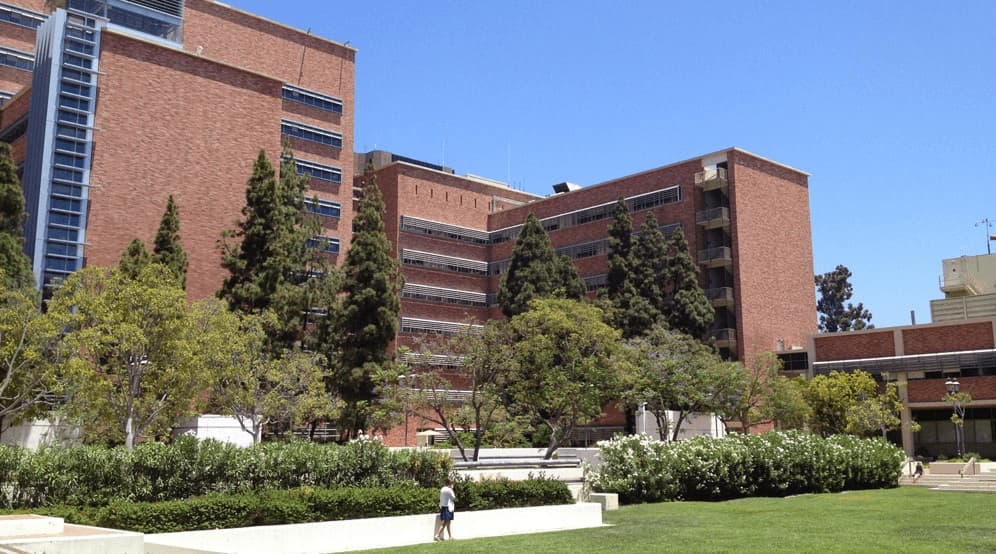 InstitutionalThree campuses · construction through operationsUCLA
From construction phase into permanent operations.
0Major incidents across deploymentEddy deployed during construction at Luskin Conference Center, Weyburn Housing and the CHS Medical Facility, then continued through operations. Roof-drain monitoring at CHS helped UCLA defer a major roof replacement until funding was available.
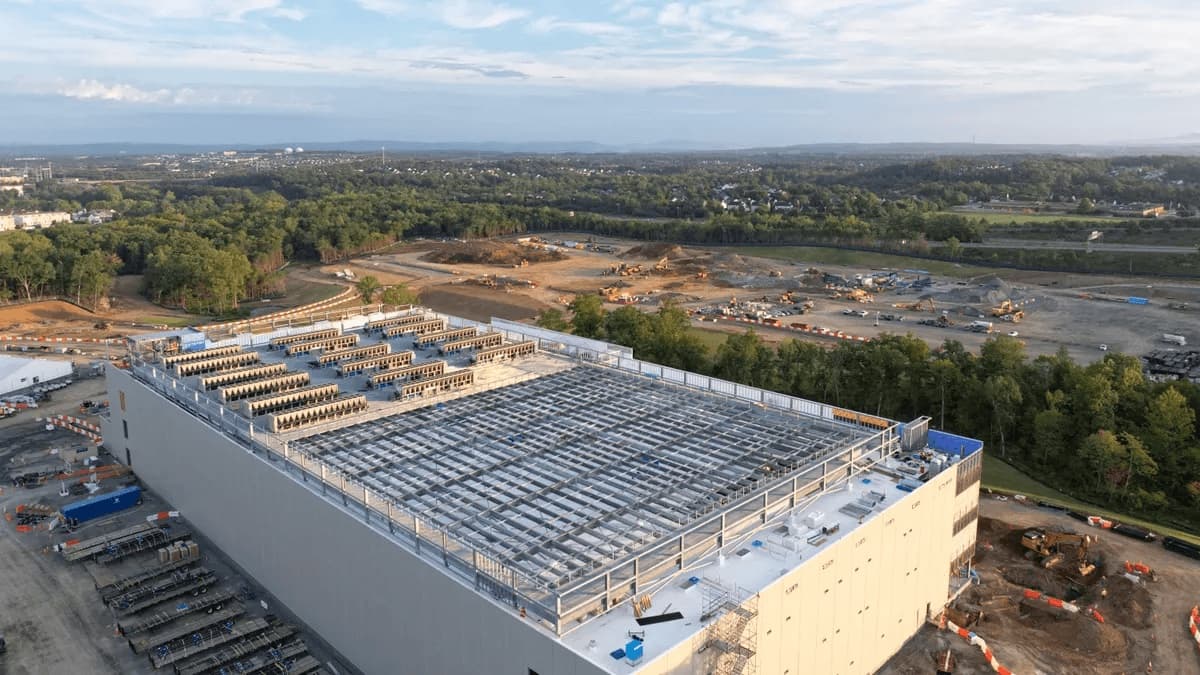 Course of construction11 active projects · Canada and USPCL Construction
$8.3M in damage prevented in one year.
$8.3MDamage prevented · 11 projectsForty-seven anomalies investigated and thirty-nine confirmed leaks contained on PCL's monitored network. Eddy is now budgeted from the proposal stage on every PCL project.
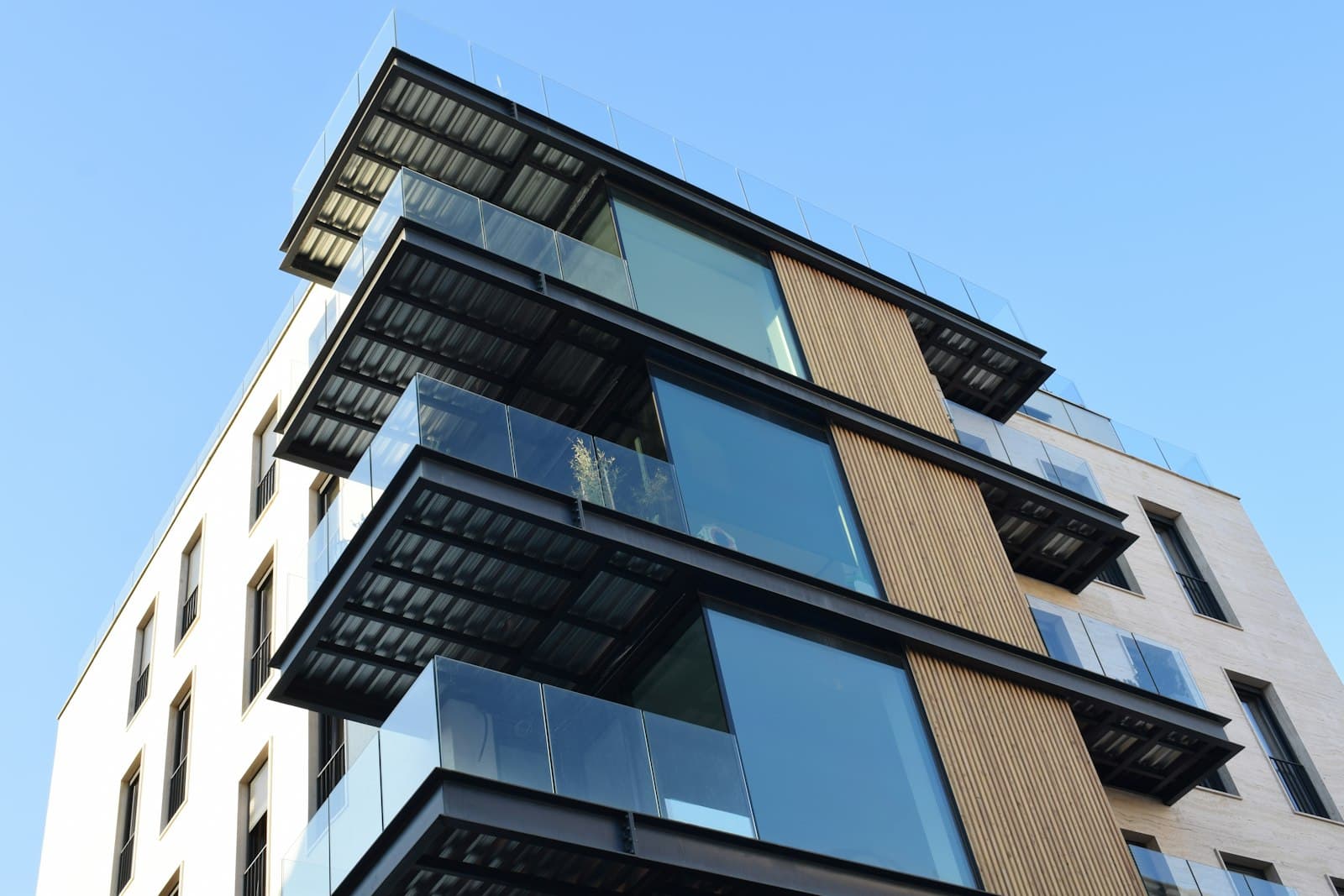 Multi-familyVancouver · 11 storeys, 119 unitsMulti-family condominium
Deductible cut from $250K to $50K in under one year.
−80%Insurance deductible reductionFirstService Residential retrofitted Eddy across HVAC, risers, fixtures and common areas. Four leak events mitigated annually with $11K in estimated annual savings.
 Multi-familyVancouver · 4 buildings, 121 unitsMulti-family condominium community
25% premium reduction with no change to deductible.
−25%Insurance premium reductionComprehensive retrofit across HVAC, risers, sinks, toilets and common areas. Fourteen events mitigated annually with $41K in estimated operational savings.
 HospitalityTwo residential towersFour Seasons Residences
Fifteen leaks resolved with zero suite displacements.
$450K+Estimated water damage preventedBoth Four Seasons Residences towers ran fifteen confirmed leak incidents through the Eddy monitoring program with two-to-seven minute response times. Zero major incidents, zero suite displacements.
 CommercialClass A office portfolioClass A office operator
After-hours response without closing floors to tenants.
24/7Supported response, every hourTenant-aware shutoff sequences let a single riser go down without closing floors. Operations gets the alert before the tenant does.
Frequently asked
Three questions buyers ask before they reach the demo. Short answers here, full conversation on a call.
How does the monitoring system work?
Wireless sensors and smart meters on the building's plumbing report continuously to the Eddy platform. The 24/7 monitoring center supports every alert, coordinates the shutoff per the building's runbook and stays with Eddy until response is confirmed.
What kind of insurance savings can I expect?
Documented outcomes at named properties include premium savings of up to 20%, with deductible reductions of up to 80% documented at individual properties. Aon's independent 2023 whitepaper found Eddy would have positively affected 58% of total water-loss claims incurred. Your number depends on your asset class, claim history and program.
How disruptive is installation?
Tiered designs map to your property without rip-and-replace. Sensors install in minutes per location. Smart meters and valves install on a planned shutoff window. Eddy's deployment team coordinates with the operator so tenants and trades stay in motion.