Appliance leaks in multifamily buildings: one suite's dishwasher is three floors of damage
One suite's dishwasher can soak three floors. The appliance leaks that hit multifamily buildings hardest, who pays and how monitoring catches them early.

In a multifamily building, an appliance leak is never one suite's problem. The dishwasher leaking in unit 1204 becomes a stained ceiling in 1104 and a soaked closet in 1004 before anyone knocks on the right door. In a house that failure ruins a kitchen floor, but in a tower it cascades and the building, not the resident, usually wears the deductible.
The five appliance leaks that start inside suites
Every suite is a small plumbing plant. Five connection points cause most of the water leaks that start behind resident doors. The suite is the first of five places water damage starts in multifamily buildings.
A dishwasher leaking usually means a worn door gasket, a cracked pump housing or a supply line dripping inside the cabinet where nobody looks. A washing machine leaking mid-cycle can push out dozens of gallons before the drum stops. A refrigerator water line leak is the quiet one: the thin line feeding the ice maker drips behind the unit for weeks, and an ice maker leaking water usually announces itself as warped flooring. In buildings with in-suite water heaters, tanks corrode from the inside and let go at the bottom seam. Toilets round out the five, and they earn their own section below.
Now multiply by your suite count. A 250-suite building holds roughly 1,000 of these connections, every one under municipal pressure day and night. In-suite leak detection exists because some of them will fail.
Why braided hoses and supply lines fail
Braided stainless hoses look permanent. They are not. The rubber core inside the braid ages, chlorine in the water attacks it and the braid hides the swelling until the hose lets go. Crimped fittings corrode where nobody can see them. The plastic push-fit connectors behind refrigerators loosen a little more with every compressor vibration.
The real problem is pressure. Supply lines sit at full line pressure 24 hours a day whether the appliance runs or not. A washing machine hose burst releases hundreds of gallons an hour and does not stop until someone closes a valve. In Eddy's 2025 multifamily monitoring data, washing machine leaks averaged $58,600 in damage. If the resident is at work or the suite sits vacant, that someone arrives hours late. Hoses carry a rated life of 5 to 10 years. Almost none are replaced on schedule, and no manager can inspect every suite.
Toilet overflows: small fixture, serious volume
A toilet overflowing is the most common after-hours water event in multifamily buildings. In Eddy's 2026 State of Water Risk report, toilets drove 58% of all confirmed water events in multifamily properties. The mechanics are simple: a blocked drain plus a fill valve that keeps running turns the fixture into a fountain that refills itself. Overnight, that is hours of continuous flow across a bathroom floor that was never built to hold water.
In a stack, the overflow finds the drain and pipe penetrations and reaches the bathroom below within the hour. Toilets also fail quietly: cracked tanks, worn flappers and aging supply connectors leak slowly enough that the first report comes from the downstairs neighbor. Either way, the fixture is cheap and the restoration bill is not.
Unit 1204 leaks, 1104 and 1004 pay
Water obeys gravity, not property lines. It leaves the source suite through slab penetrations, wall cavities and light fixtures. The damage multiplies on the way down. The source suite gets a wet floor. The suite below gets a saturated ceiling and soaked drywall. The one below that gets ruined flooring and displaced residents.
Then the bill arrives. The corporation's policy typically responds for common elements and standard-unit damage, and the deductible, now six figures in many buildings, is charged back to the source unit where bylaws allow. That chargeback strains boards, managers and neighbors for months. The residents two floors down did nothing wrong and still lose their home for weeks. This is why appliance leaks are a building risk, not a resident inconvenience. It is also why monitored multifamily buildings change the insurance conversation, with premium savings of up to 20%, with deductible reductions of up to 80% documented at individual properties.
What in-suite protection looks like at building scale
A resident can buy a dishwasher leak detector that beeps under the sink. In an empty suite, nobody hears it. Building-scale protection works differently: every alert routes to a staffed monitoring center like Eddy's, where operators escalate by phone within minutes, and the water stops automatically without waiting for a key.
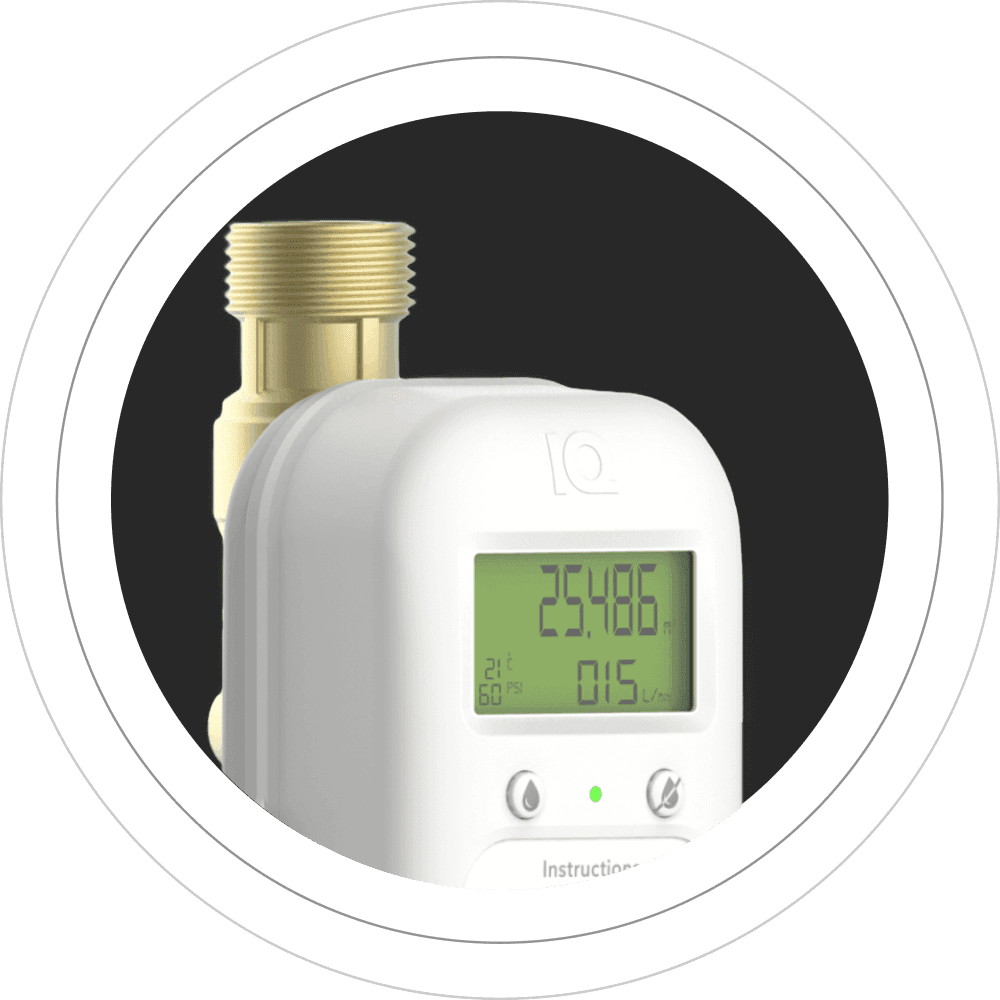
Coverage comes first. Eddy H2O wireless leak sensors sit at each appliance: under the dishwasher, behind the washing machine, at the refrigerator line and beside the toilet. Suite metering adds the second layer, and Eddy Link reads those meters and drives the shutoff valves, so abnormal flow triggers automatic shutoff instead of a voicemail.
The difference is where the alert goes. Every signal routes to the 24/7 monitoring center, not just the resident's phone. Operators work from the building's system map and business rules, and they escalate and call your contacts within minutes. Managers watch every suite from the Eddy Dashboard. Across 150,000+ monitored devices across North America, 59% of monitored events are contained before they become a claim. That is what protecting residents and protecting the building looks like at scale.
Appliance leaks are predictable, so get ahead of them. Talk to a leak-detection advisor to scope suite-level protection for your building.
Common questions
What appliance causes the most water damage in apartment buildings?
Washing machines cause the most severe events because a burst supply hose releases water at full line pressure until someone closes a valve. Toilets cause the most frequent ones, usually overnight overflows. Dishwashers and refrigerator water lines fail more slowly but often drip unseen for weeks inside cabinetry.
Who pays when a leak from one condo damages the unit below?
In most condo buildings the corporation's insurance covers damage to common elements and standard units, and the deductible is often charged back to the unit where the leak started, where bylaws allow it. Owners' policies cover contents and improvements. The exact split depends on the building's governing documents and local law, so boards should confirm the wording with their broker.
Do leak sensors work if the resident is not home?
Standalone alarms only sound inside the suite, so an empty unit means a missed leak. In a monitored building, Eddy H2O sensors report to a 24/7 monitoring center that escalates and calls the building's contacts within minutes, whether or not anyone is home. Paired with automatic shutoff, the water stops even when the suite is empty.
Sources and further reading
Last Updated
Category
Related articles
Browse all posts
Multi-family
Ceiling leaks in apartments and condos: what water from above means for the building
By Adam Bartman
Read article
Water management
Is a submeter enough? Billing vs leak protection
By Shkya Ghanbarian
Read article
Multi-family
Condo board members: how leak protection protects your building and residents
By Shkya Ghanbarian
Read article