Below-grade water: sump pumps, elevator pits and parking levels
Sump pump failures, water in elevator pits and parking level leaks: why below-grade spaces flood first and how 24/7 monitoring catches them early.

Every drop of water in a building eventually heads for the lowest point. Sump pits, elevator pits and the bottom parking level collect groundwater, storm runoff and everything that leaks upstairs, and they are also the spaces nobody walks through until something has already failed. Eddy's 2026 State of Water Risk report found 59% of 2,557 confirmed water events across all building types happened outside business hours, one more reason below-grade losses are found late and monitored buildings catch them early.
Below grade is where water goes and where nobody looks
Gravity gives every building the same drainage plan. Groundwater pushes through foundation walls, surface water follows the ramps down and anything that escapes a pipe upstairs finds a shaft or a slab penetration and keeps going. Whether your building calls it a parking garage, underground parking or a parkade, the bottom slab is the catch basin for everything above and around it.
The problem is visibility. Below-grade mechanical rooms, sump pits and elevator pits sit behind locked doors on levels with no foot traffic. A pump can fail on Friday and stay failed until Monday. In multi-family buildings the first sign is often a resident reporting a wet storage locker. In office buildings it is an elevator that stops running.
Sump pumps are single points of failure
A sump pump is a mechanical device sitting in dirty water, switched by a float and fed by one electrical circuit. Every part of that sentence is a failure mode. Power outages take the pump offline exactly when a storm is loading it hardest. Floats stick on debris or wear out and never call for the pump. Motors burn out, check valves jam and discharge lines clog or freeze. Where two pumps share a pit, the lag pump often sits seized for months before anyone finds out.
Sump pump failure is also quiet. A local sump pump alarm is a buzzer in a room nobody visits, and it performs for an audience of zero. Eddy's 2026 State of Water Risk report logged more major leaks, the ones with the most destructive potential, at 2 AM than at any other hour. The failure itself is rarely dramatic. It becomes dramatic hours later, when the pit overflows and the water finds the electrical room next door.
Elevator pits: small space, expensive water
The elevator pit is usually the deepest point in the building, so water that reaches the bottom slab reaches the pit first. Elevator pit waterproofing ages, hydrostatic pressure pushes groundwater through cold joints and a failed sump nearby sends its overflow into the shaft. Even a riser or roof leak can end up here, because water in the elevator shaft drains straight down to the pit.
Water in an elevator pit does three expensive things. It shuts the elevator down, since controllers and safety circuits are not built to operate over standing water. It creates entrapment risk if a car stalls with people inside. And it corrodes buffers, traveling cables and pit electronics, damage that takes weeks to repair while residents share whatever cars remain.
Parking levels and drainage
Parking levels take water from every direction. Rain and snowmelt ride down the ramps and drip off vehicles, groundwater pushes up from below and the level above sheds whatever its trench drains miss. Floor drains clog with sediment, membranes crack and a slow parking garage water leak becomes ponding against the wall of the main electrical room. Winter doubles the load: slush melts off cars all day while the entry ramp freezes all night, and drains that were marginal in October fail in February.
Standing water below grade is never cosmetic. It corrodes rebar and conduit, wicks into demising walls and finds the switchgear, transformers and telecom rooms that were placed on the lowest level because the space was cheap. The water always arrives before the person does, and in 2025 Eddy's monitoring center confirmed 2,557 water events with response measured in minutes.
Monitoring below-grade spaces
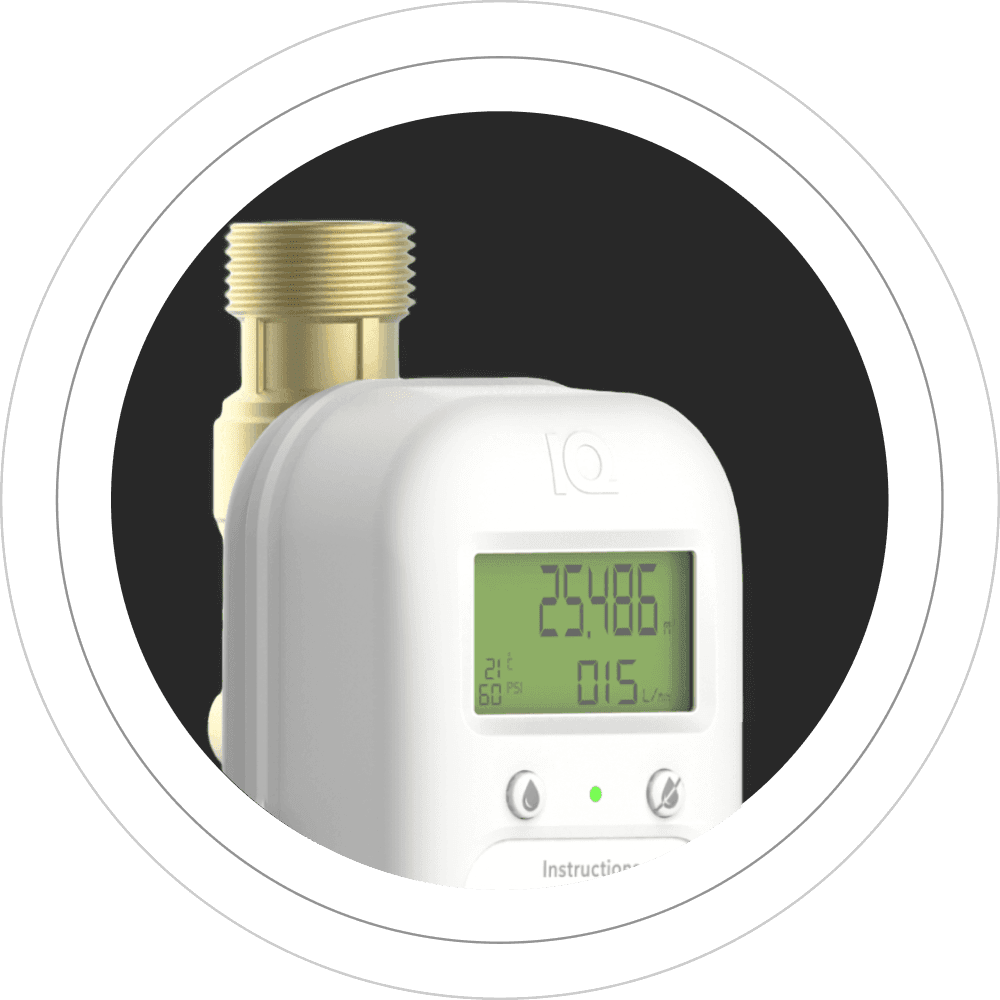
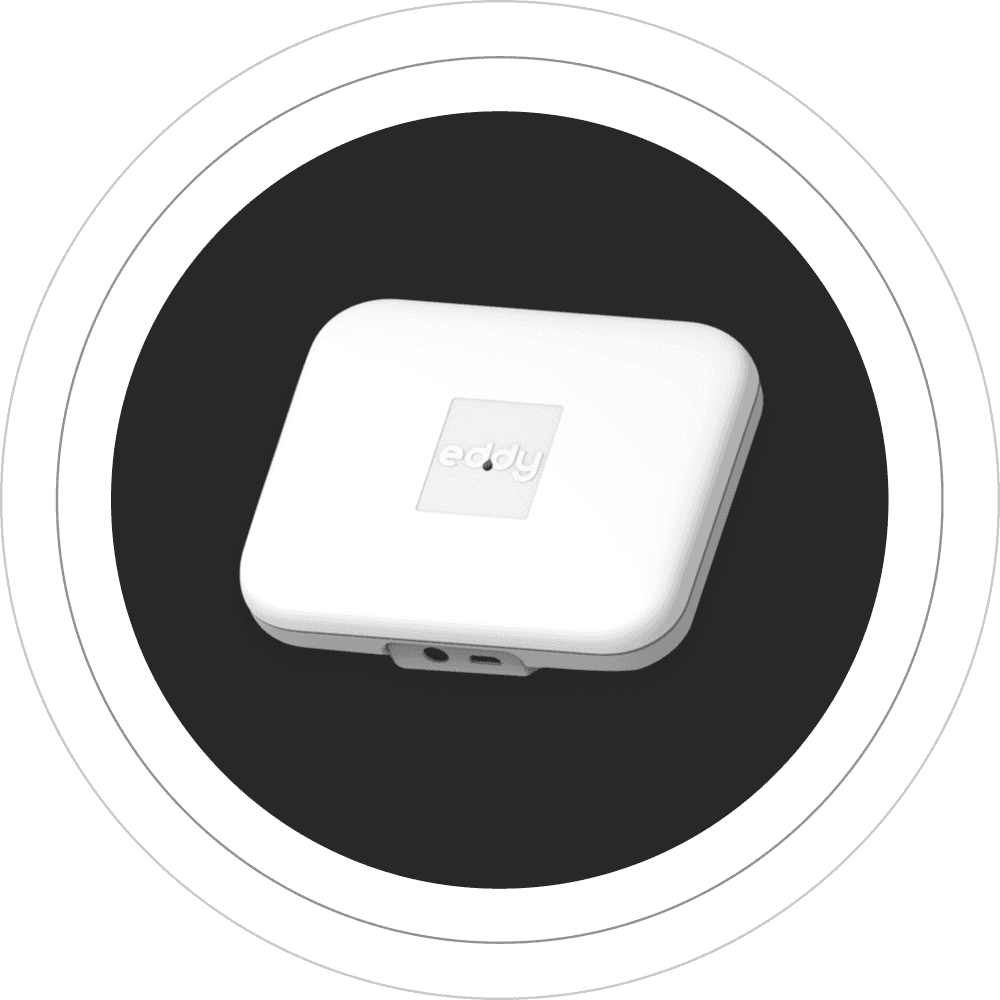
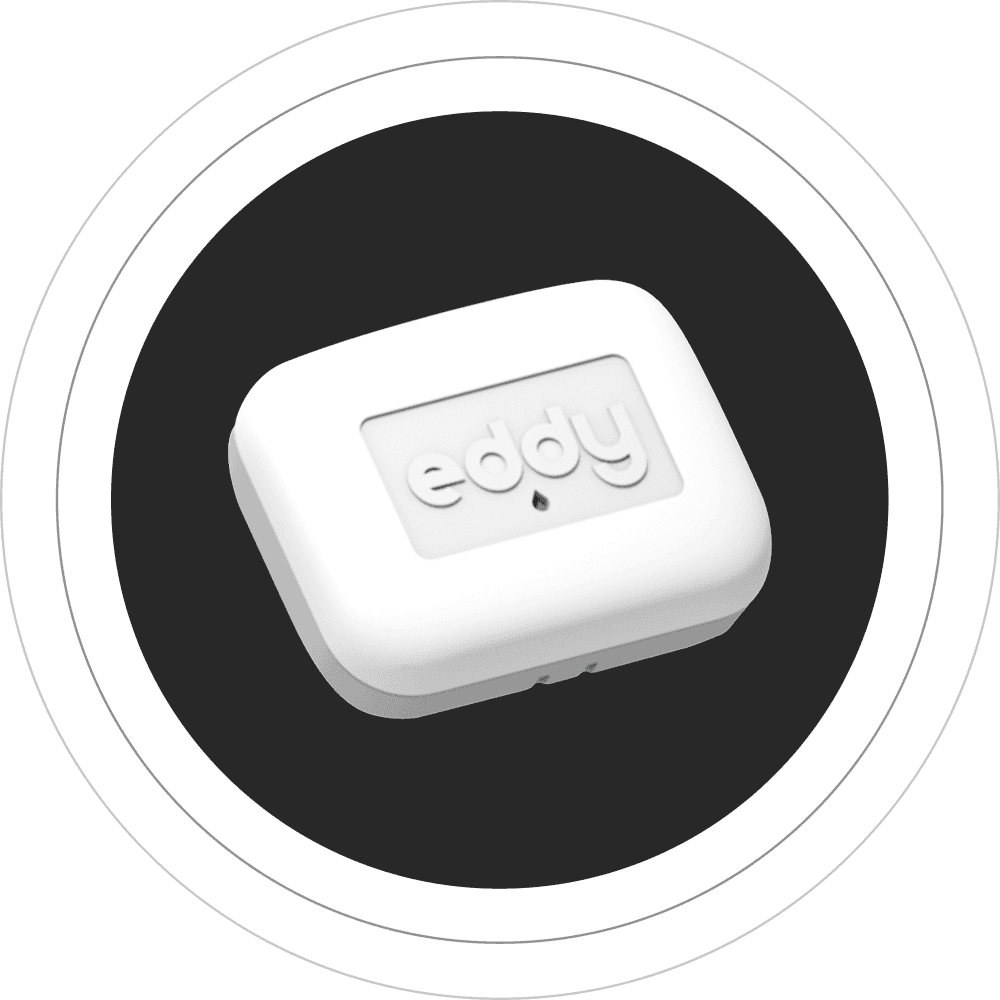
The fix is not more walkthroughs. It is instrumentation in the spaces water reaches first. Eddy H2O wireless leak sensors sit in elevator pits, sump rooms and below-grade mechanical rooms and report the first water they touch. Eddy Link reads the building's meters and drives the larger valves, so a supply-side leak feeding a below-grade space can be shut off automatically. Every device reports into the Eddy Dashboard, so facilities staff see pit and sump status without standing in the room.
The alarm changes too. A high-water alert in a monitored pit does not buzz at an empty room. It reaches the monitoring center, where operators work from your building's system map and business rules, escalate and call your contacts within minutes. That is the difference between catching sump pump failure at the alert and finding it at the overflow. This model runs on 150,000+ monitored devices across North America and catches water events up to 100x faster than traditional methods.
Your lowest level does not have to be a blind spot. Talk to a leak-detection advisor about sensor coverage for pits, sump rooms and parking levels before the next storm tests them.
Common questions
What happens when water gets into an elevator pit?
The elevator shuts down, because controllers and safety circuits are not designed to operate over standing water. Prolonged contact corrodes buffers, traveling cables and pit electronics, and a flooded pit found late often means weeks of elevator downtime. Buildings with leak sensors in the pit catch the water at the first sign instead of at the service call.
How do I know if a sump pump has failed?
Without monitoring, the usual answer is that you find out from the flood. Warning signs include a pump that runs constantly or not at all, a stuck float, a tripped breaker and rising water in the pit. A monitored high-water sensor removes the guesswork: when the level rises past the point the pump should have caught, the monitoring center escalates and calls your contacts within minutes.
How does sump pump monitoring work?
A wireless sensor in or above the pit reports water level around the clock, so the alarm no longer depends on someone standing in the sump room. Because the sensor watches the water rather than the pump, it catches every failure mode that matters: power loss, stuck floats, burned-out motors and clogged discharge lines. When the level rises, 24/7 monitoring staff escalate and call the building's contacts within minutes.
Sources and further reading
Last Updated
Category
Related articles
Browse all posts
Water management
Mechanical room leaks: why the building's water hub fails after hours
By Adam Bartman
Read article
Water management
Fire protection systems: the water risk that runs the full height of your building
By Adam Bartman
Read article
Construction
Construction site water management: dewatering, temporary water and the wet trades window
By Adam Bartman
Read article