Burst and frozen pipes in commercial and multifamily buildings: what the first 10 minutes decide
Why pipes burst in commercial and multifamily buildings, what the first 10 minutes decide and how monitored buildings stop the loss before it spreads.

Pipes in large buildings burst for four reasons: freezing, pressure spikes, corrosion and mechanical damage. The failure itself takes seconds. What decides the outcome is how long water runs before someone stops it, and Eddy's 2026 State of Water Risk report found 59% of 2,557 confirmed water events across all building types happened outside business hours, when an unmonitored building runs for hours.
Why pipes burst in large buildings
Freezing leads the list. The vulnerable runs are the ones that touch cold air: domestic lines along exterior walls, sprinkler branches above unheated parking levels, standpipes in stairwells and anything passing through a rooftop mechanical room. Water expands as it freezes, the ice plug drives pressure into the trapped section and the pipe splits. The flood often arrives hours later, when the line thaws and nobody is watching.
Pressure does quieter damage. Booster pumps cycling against closed valves, water hammer from fast-closing fixtures and failed pressure-reducing stations all push joints past their rating, especially on lower floors where static pressure runs highest. Corrosion works slower still: pinhole leaks in aging copper, scaled galvanized steel and hot recirculation lines that run around the clock. Mechanical damage never stops. Every renovation, every trade drilling into a wall and every anchor set near a riser is a chance to hit a live line.
Why a 3 a.m. winter burst is the worst-case event
Freeze bursts cluster in the coldest hours of the night, exactly when nobody is on site. In Eddy's 2025 monitoring portfolio, more major leaks, the ones with the most destructive potential, began at 2 a.m. than at any other hour. Residents are asleep, commercial floors are empty and the first report comes from whoever finds water in the morning. By then gravity has done the rest. Water follows risers, elevator shafts and electrical conduits down through the building, so a burst pipe in an apartment on the eighth floor becomes a claim on seven floors below it.
In multi-family buildings that means flooded suites, displaced residents and an insurance file that follows the property for years. In commercial buildings it means closed floors, damaged tenant fit-outs and rent abatement conversations. The pipe is the cheapest thing that breaks.
What the first 10 minutes decide
Water damage is not linear. In the first minutes a burst wets one floor plate. Within 10 minutes it finds the slab penetrations and starts on the floor below. After an hour it owns the riser shaft and every ceiling under it. The gap between a cleanup and a seven-figure claim is response time, almost nothing else.
This is where monitored buildings separate from everyone else. When a leak sensor or an abnormal flow pattern triggers an alert, the automatic shutoff closes the valve and the monitoring center escalates and calls your contacts within minutes, day or night. Operators work from your building's system map and business rules, so the right valve closes and the right person picks up the phone. The benchmark across Eddy's monitored buildings: 02:00 minutes from a leak alert to taking care of the problem.
Prevention that works at building scale
Space heaters and luck do not scale to thousands of feet of pipe. Prevention in a large building is layered:
- Temperature-aware monitoring. Sensors on vulnerable runs flag falling temperatures before ice forms, turning a likely burst into a work order.
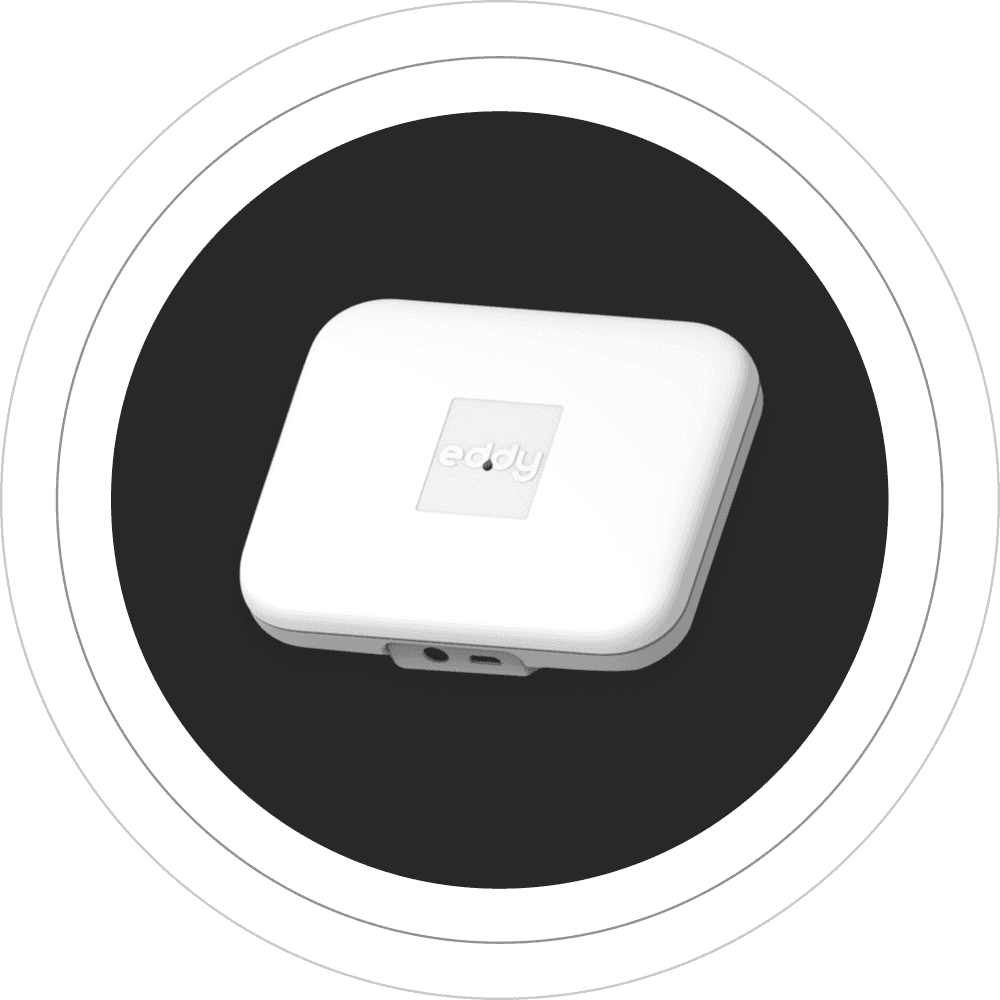
- Flow monitoring. Eddy Link reads the building's water meters and flags continuous flow, the signature of a line that has let go. Nothing should be running at 3 a.m.
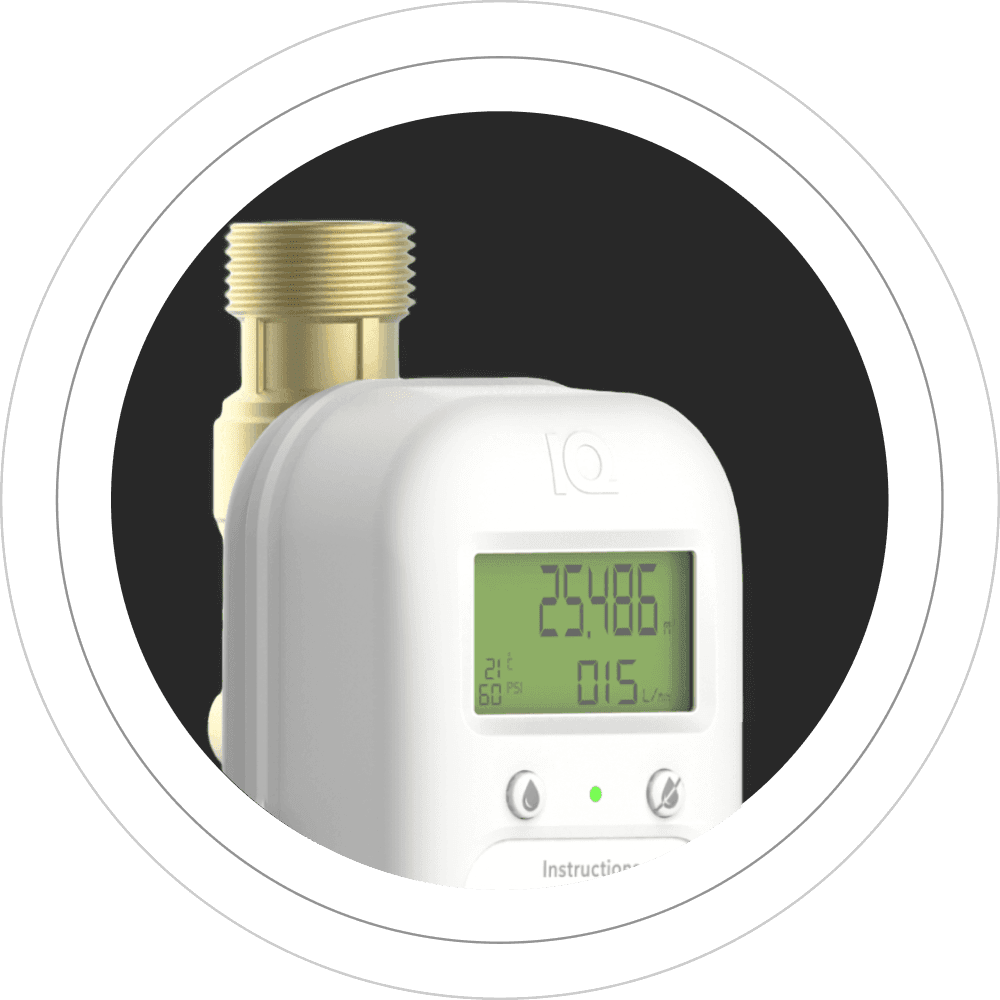
- Automatic shutoff. Eddy IQ pairs leak detection with automatic shutoff in a single device, and Eddy Link drives the larger valves on mains and risers so a burst is isolated, not just observed.
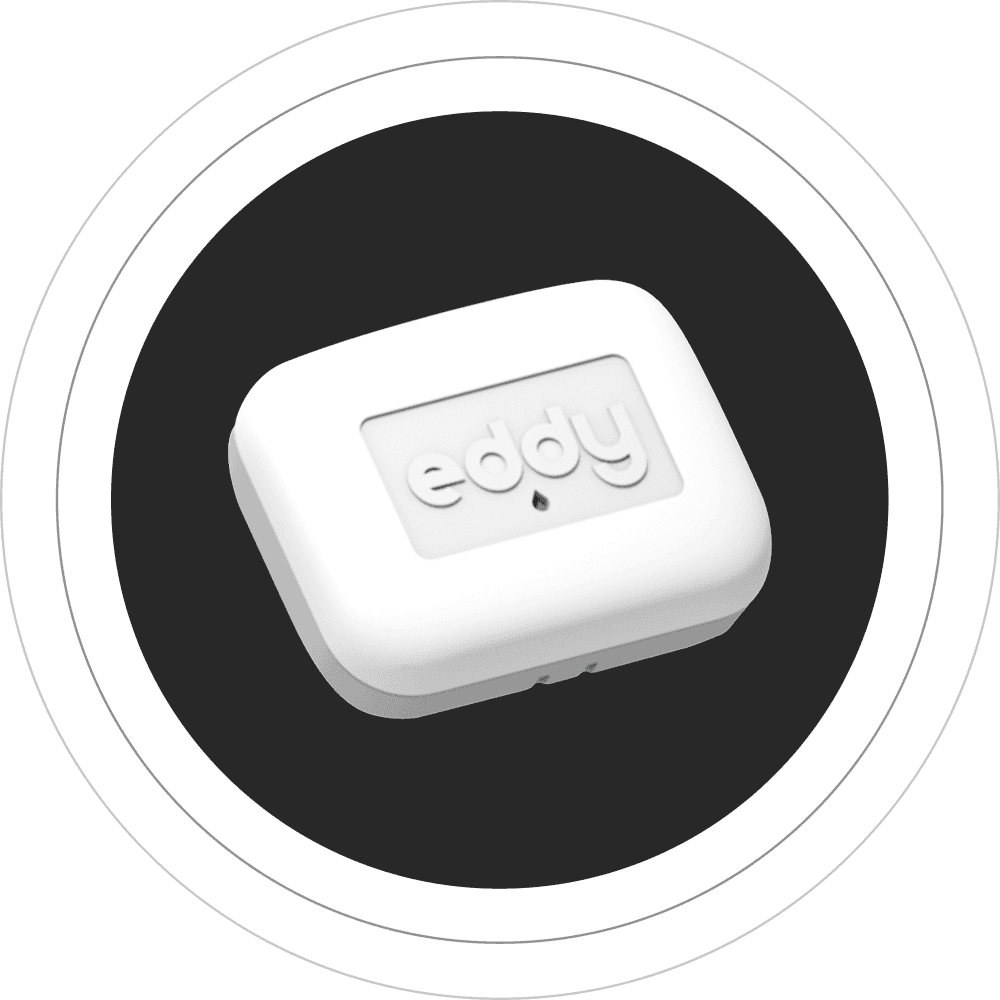
- Point detection. Eddy H2O wireless leak sensors cover mechanical rooms, ceiling spaces above electrical rooms and the other places where first water shows up.
- Zone isolation. Valves placed by riser or by floor let one zone close while the rest of the building keeps running.
Every device reports into the Eddy Dashboard, so your team sees the same picture the monitoring center works from. The results carry the argument: 59% of monitored events are contained before they become a claim. Insurers have noticed, and monitored buildings can qualify for premium savings of up to 20%, with deductible reductions of up to 80% documented at individual properties.
What to have in place before winter
Walk the building before the first cold snap, not after it. Confirm heat trace and insulation on exposed runs. Check that parking levels and stairwells hold temperature on the coldest nights. Close the envelope gaps that let outside air reach pipe near exterior walls. Then confirm the response chain: shutoff valves tested, monitoring coverage on every vulnerable run and a current after-hours contact list on file with the Eddy monitoring center, because a call at 3 a.m. only helps if the right people answer it.
Buildings that come through winter clean are not lucky. They detect early, shut off automatically and have a person working the problem within minutes. Talk to a leak-detection advisor about getting your building there before the temperature drops.
Common questions
What causes pipes to burst in buildings?
Freezing is the leading cause, followed by pressure spikes, corrosion and mechanical damage during renovations. In large buildings the highest-risk spots are pipe runs along exterior walls, above unheated parking levels, in stairwells and in rooftop mechanical rooms. Most winter bursts happen where a line meets cold air that nobody can feel from the corridor.
How do you prevent frozen pipes in a large building?
Keep vulnerable runs warm with heat trace and insulation, hold parking levels and stairwells above freezing and monitor temperature and flow 24/7 so falling readings trigger action before ice forms. Pair the monitoring with automatic shutoff so any burst that still happens is isolated in minutes rather than discovered in the morning.
What should you do first when a pipe bursts in an apartment building?
Stop the water before anything else, because damage scales with every minute of flow. In a monitored building the automatic shutoff closes the affected line and the monitoring center escalates and calls your contacts within minutes, so containment starts before staff arrive. Without monitoring, someone has to find both the burst and the right valve by hand while the water keeps moving down the building.
Last Updated
Category


