HVAC water leaks: where they start in commercial buildings and why they cost so much
Where HVAC water leaks start in commercial buildings, why HVAC events average $127,000 and how monitored buildings catch drain pan and chiller leaks early.

HVAC systems leak water because they are water systems. Condensate drains, chilled water loops, condenser water and cooling tower basins move thousands of gallons through a commercial building every day, and every coil, gasket, pan and joint in that path can fail. Eddy's 2026 State of Water Risk report found HVAC was the top source of confirmed leaks in commercial buildings at 34.1%, and the buildings that catch those leaks early are the ones monitoring the equipment, not the ones waiting for a stained ceiling tile.
HVAC is a water system wearing a mechanical costume
Most building teams file HVAC under mechanical. Walk the system and count the water. Cooling coils condense moisture out of the air all summer, and that condensate has to travel through pans and drain lines to leave the building. Chilled water loops run through risers and branch piping to air handlers and fan coils on every floor. Condenser water loops carry heat to the roof. Cooling tower basins hold hundreds of gallons behind a float valve, topped up by a makeup water line. Humidifiers add their own supply lines and injection points.
Add it up and a mid-rise office tower often has more piping serving HVAC than serving washrooms. When any of it fails, the building has a water leak, not a mechanical problem, and Eddy's monitoring center escalates it with a phone call within minutes.
Where HVAC leaks hide
HVAC leaks cost so much because of where the equipment sits. Air handlers hang in ceiling plenums above the space that costs the most to repair: lobbies, trading floors, server rooms, executive suites. Fan coil units sit above finished ceilings in offices and guest rooms. A heat pump leaking water in a suite closet combines two risks in one cabinet, a condensate pan and a pair of loop connections inside finished space. Penthouse mechanical rooms put chillers, pumps and heat exchangers at the top of the riser stack, so a leak at the top finds everything below.
The leaks start small. A condensate drain pan clogs and overflows a few ounces at a time. A fan coil valve weeps into the ceiling for weeks. By the time a tile stains, the water has been moving for days and the damage spans floors. That is why HVAC events average $127,000 in commercial buildings. The volume is rarely dramatic. The location always is.
The central plant: chillers, heat exchangers and cooling towers
Central plant failures sit at the high-volume end of the risk. A chiller leaking water in the mechanical room usually traces to a failed gasket, a weeping joint on the chilled water loop or condensation running off uninsulated piping. A heat exchanger leak can bleed one loop into another or drip steadily onto the mechanical room floor. Cooling towers fail in their own way: a float valve sticks, the basin keeps filling and cooling tower overflow sends water across the roof until it finds an expansion joint. Because the makeup line refills the basin automatically, the loss runs for as long as nobody notices. The same failure modes show up at larger scale in process cooling, which is why industrial facilities treat these systems as water risks first.
Radiators and hydronic heat in older buildings
Older office and residential stock adds one more water system: hydronic heat. A radiator leaking water in a 1960s tower is rarely dramatic. Valve packing dries out, air vents weep and threaded joints installed decades ago slowly let go. Hydronic loops stay pressurized all season, so a pinhole feeds water into the floor assembly continuously, and the first sign is often a swollen floor or a musty smell in the suite below. Perimeter radiation can also freeze in shoulder seasons when zones shut down unevenly, and a burst branch releases the whole loop at once. Eddy's 2026 State of Water Risk report found January was the worst month for leaks in multi-unit residential buildings, a pattern consistent with heating system stress. In buildings with original plaster or heritage finishes, slow hydronic leaks do more cumulative damage than any single burst pipe.
How monitored buildings catch HVAC leaks early
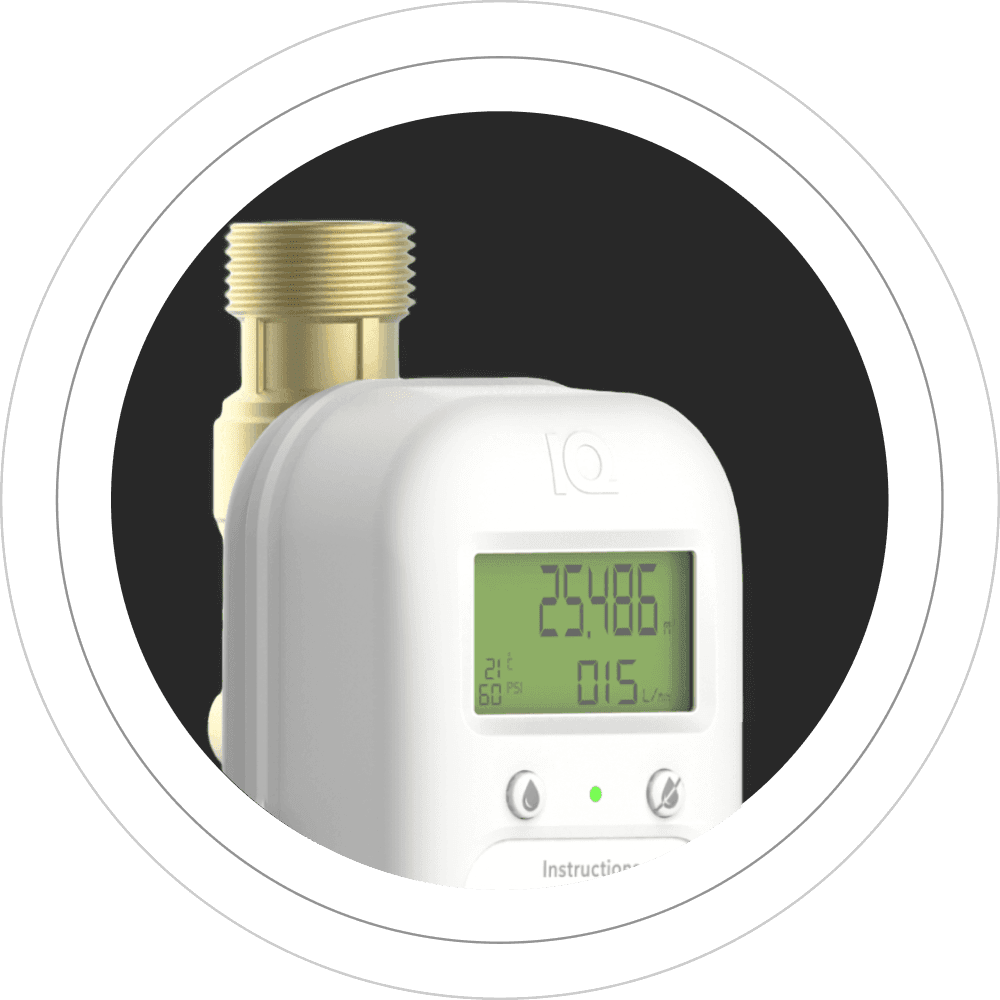
The monitoring approach is straightforward. Wireless leak sensors sit where water escapes first: in drain pans, under air handlers, beside fan coils and around the central plant. Eddy H2O covers those points. Eddy IQ adds sensing and automatic shutoff in a single unit where a supply line can be isolated. Eddy Link reads the meters on makeup water and feed lines and drives the larger valves, so a cooling tower makeup line that runs all night registers as the anomaly it is. The full lineup is on the products page.
Thresholds are tuned to the building, so normal high-volume use like a summer chiller duty cycle is not flagged. Everything reports into the Eddy Dashboard. When a sensor trips at 2 a.m., the monitoring center escalates and calls your contacts within minutes, working from your building's system map and business rules, so the call names the equipment and the floor. The goal is not more alarms. It is to protect the building below the equipment. 59% of monitored events are contained before they become a claim.
If the mechanical plant only gets eyes during rounds, the space beneath it is exposed the other 23 hours of the day. Talk to a leak-detection advisor about putting your HVAC systems on 24/7 monitoring.
Common questions
Why is my building's AC leaking water?
In a commercial building, AC water is almost always condensate that stopped draining. Cooling coils pull moisture out of the air, and it collects in a drain pan and leaves through a condensate line. When the pan cracks or the line clogs, the overflow runs into the ceiling plenum or mechanical room, which is why monitored buildings place leak sensors at every drain pan.
How much damage can an HVAC leak cause?
HVAC events average $127,000 in commercial buildings. The cost comes from location rather than volume: air handlers and fan coils sit above finished ceilings, so even a slow drain pan overflow can damage several floors of tenant space before anyone sees it. Early detection and automatic shutoff keep an HVAC leak a maintenance ticket instead of an insurance claim.
How do you detect HVAC water leaks early?
Monitored buildings combine point sensors with flow data. Wireless leak sensors sit in drain pans and under equipment, flow meters watch makeup water lines for abnormal runtime and a 24/7 monitoring center escalates and calls the building's contacts within minutes of an alert. That combination catches condensate overflows, cooling tower overfills and hydronic weeps while they are still small.
Sources and further reading


Last Updated
Category
Related articles
Browse all posts
Water management
Mechanical room leaks: why the building's water hub fails after hours
By Adam Bartman
Read article
Multi-family
Ceiling leaks in apartments and condos: what water from above means for the building
By Adam Bartman
Read article
Water management
Fire protection systems: the water risk that runs the full height of your building
By Adam Bartman
Read article